
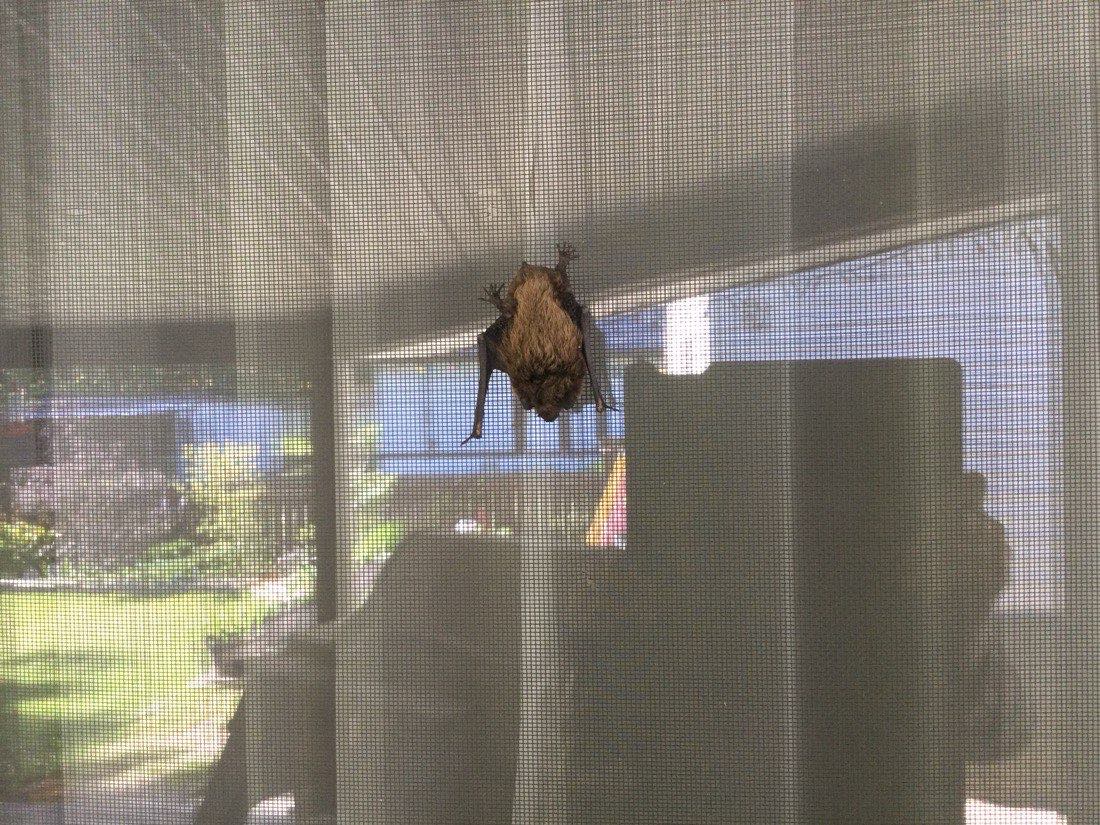
Do you have bats at your accommodation? Bats carry a bad reputation built on misinformation and fear. When tourists come across one during their stay, some may react negatively, while others are well-informed and thrilled to see a bat. A little preparation on your part makes all the difference.
Welcome them, with or without bats.
There are many things you can do to become a Bat-friendly Resort, whether you have bats or not, starting with something as simple as planting a bat-friendly garden.
Want to go further? Explore how to become a bat-friendly community, add bat boxes, or create habitat on your grounds.
Good for the land, good for guests.
Bats are important to our ecology and our economy. They are the main consumers of night-flying insects, in the U.S. bats contribute an estimated $23 billion a year in free, organic pest control.
Unfortunately, bats are in trouble. Half of the bat species in BC are listed as ‘at risk’. Most BC bats give birth to only one pup per year, and only about half of those young survive their first winter.
All kinds of things affect bats, including habitat loss, wind turbines, persecution by people, and susceptibility to White-nose Syndrome (WNS), a deadly disease caused by an introduced fungus that decimates bat populations. WNS does not affect people.
Curious guests can learn more about the species they might meet on our about bats pages.
Small habits, happy bats.
A few simple practices keep bats and guests comfortable, and help you tell the difference between a bat visiting and a bat moving in.
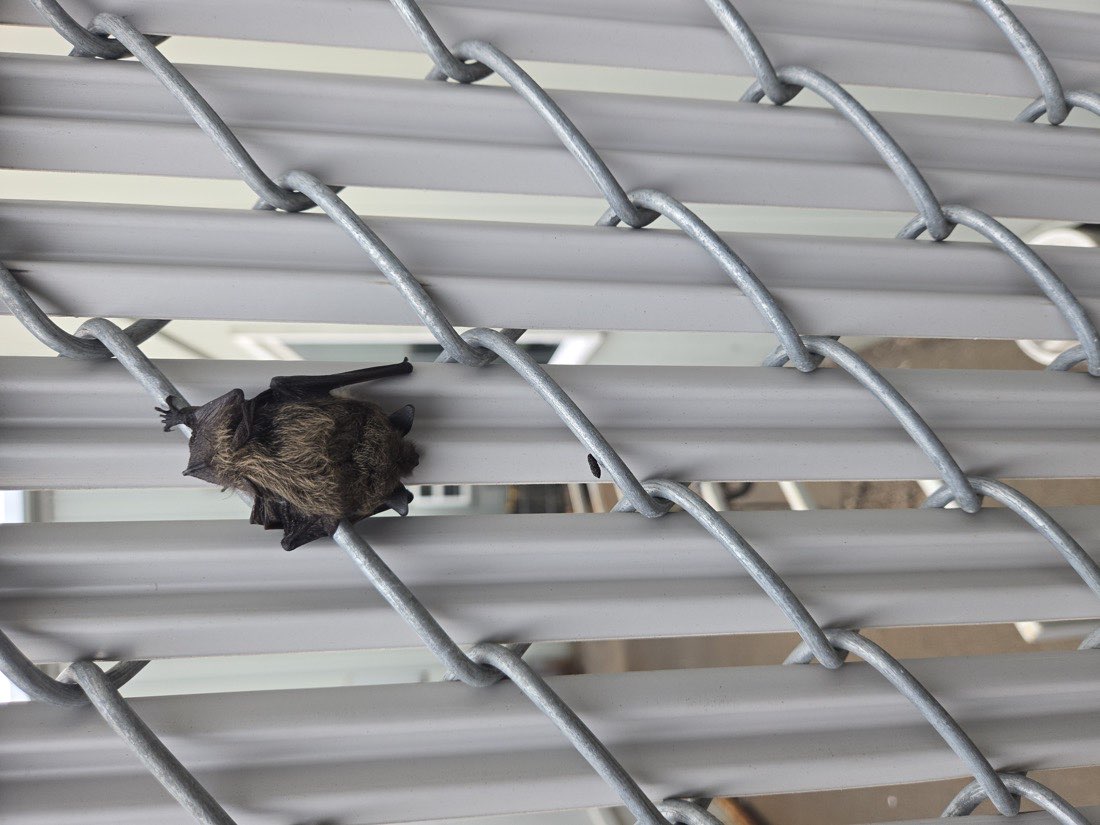
- Bats take a break at night after hunting insects. They may fly into covered patios, carports, or breezeways to rest. A little bat poop on the ground in the morning just means some bat friends visited, it doesn’t mean they’re getting into the building, only resting on the outside.
- Bats hunt for insects after sunset, and deck lights attract those insects. Use window screens and keep doors closed so a bat doesn’t accidentally fly into a room chasing a mosquito.
For best practices on keeping bats out of the parts of a building where you don’t want them, see our guidance on managing a colony. If a group of bats is roosting inside a structure, that’s a colony, and there’s more on living with a colony too.