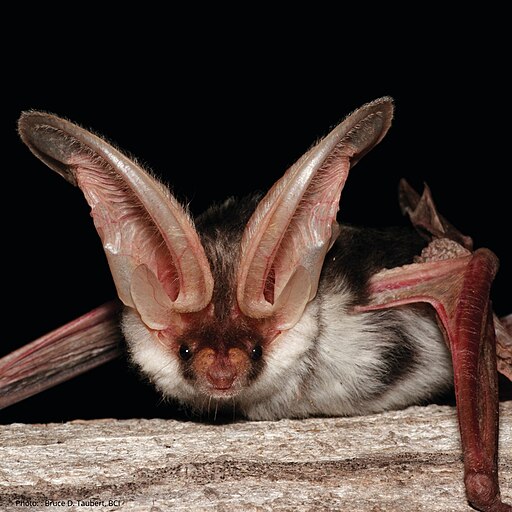
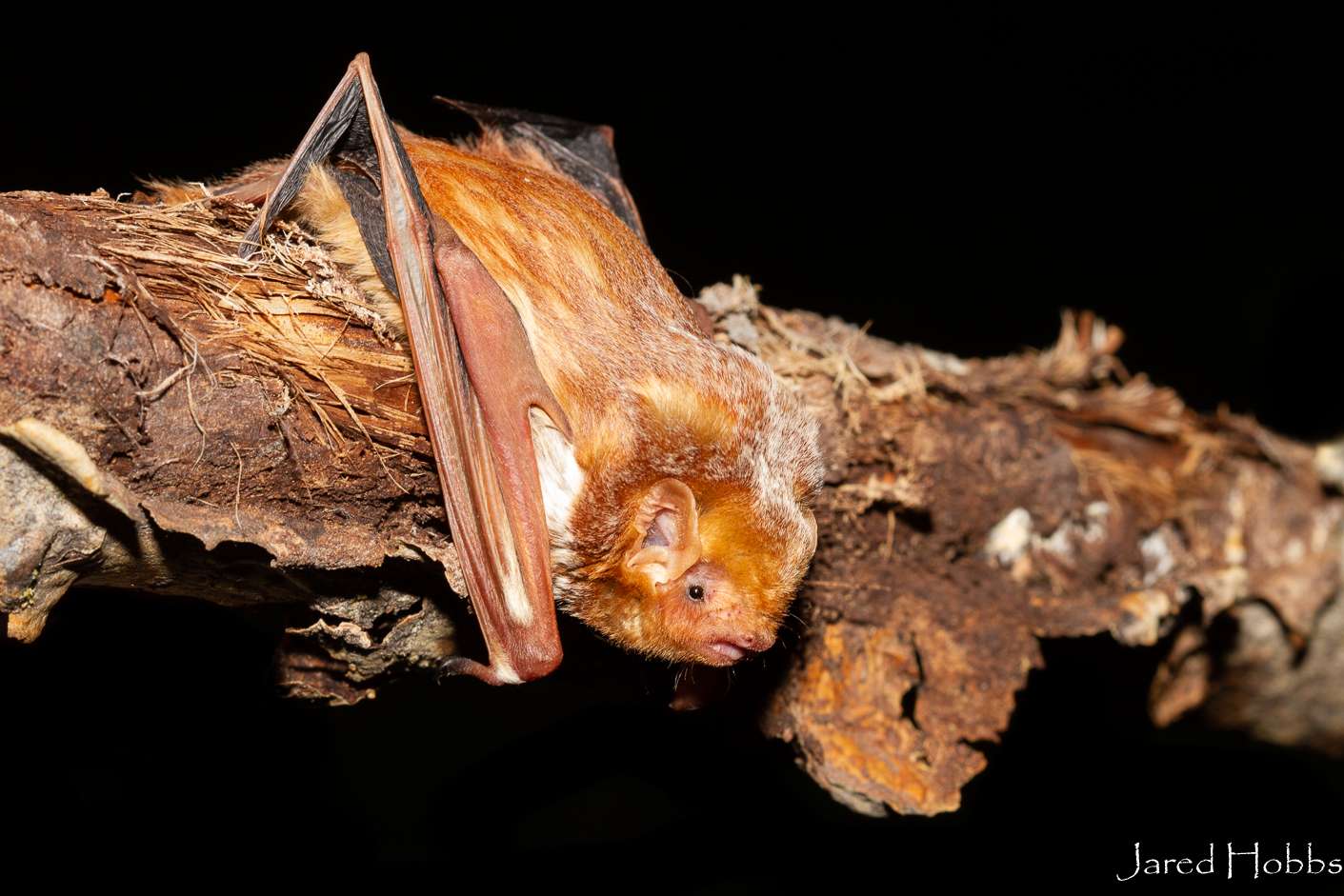
Bats are a highly diverse order of mammals found across the world. Today they face major conservation threats, habitat loss to forestry, industry and development, wind turbines, pollution, disease, and persecution. In British Columbia, half of our bat species are considered at risk: vulnerable, or threatened with becoming extirpated.
Bats play an important role in controlling nocturnal insect populations and cycling nutrients from wetlands to forests, they are a critical part of our ecosystems. Protecting bat populations and their habitats supports essential ecosystem services, biodiversity, and human health.
White-nose syndrome.
White-nose syndrome (WNS) is a devastating fungal disease that has killed millions of bats in eastern Canada and the USA. It attacks bats during hibernation, but it does not affect people.
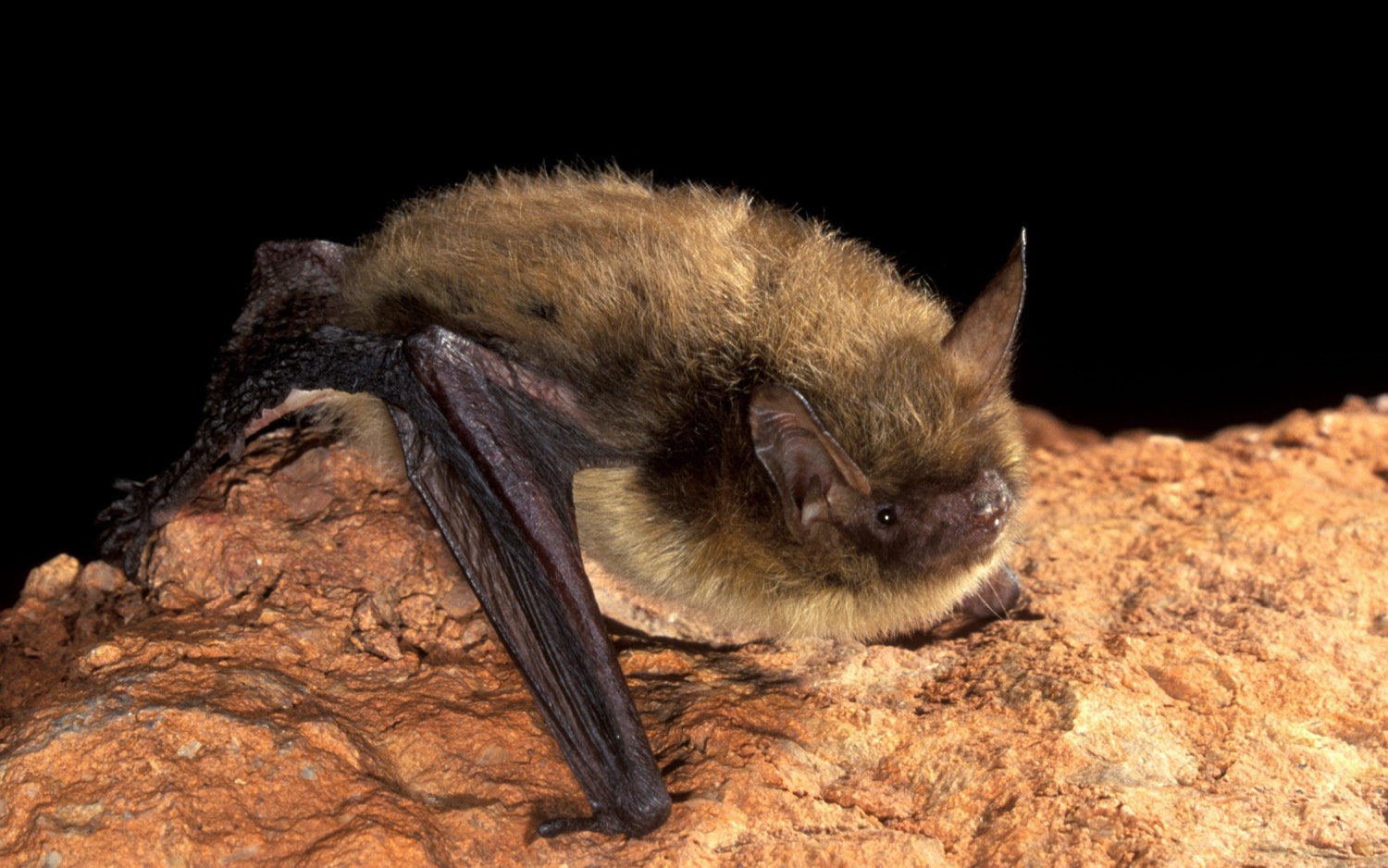
The fungus, Pseudogymnoascus destructans (Pd), causes skin irritation and damage in hibernating bats and spreads easily through skin-to-skin contact in caves and mines. It was accidentally introduced to the US from Europe in 2006. Since then, populations of the little brown bat (Myotis lucifugus), the Northern long-eared bat (Myotis septentrionalis), and the tri-coloured bat (Perimyotis subflavus) have declined by more than 90 percent in a single decade.
The disease is spreading east to west across North America, and is now in some bats in Alberta and Washington State. In BC, the fungus was detected in one guano sample in the Boundary region in 2022, and in Metro Vancouver in 2025. The encouraging news: as of winter 2026, no sick bats have been found with WNS in BC, and none of the 2025 counts at maternity colonies showed a decline.
Learn more about WNS
See also our page on white-nose syndrome for the latest in BC.
Outdoor cats.
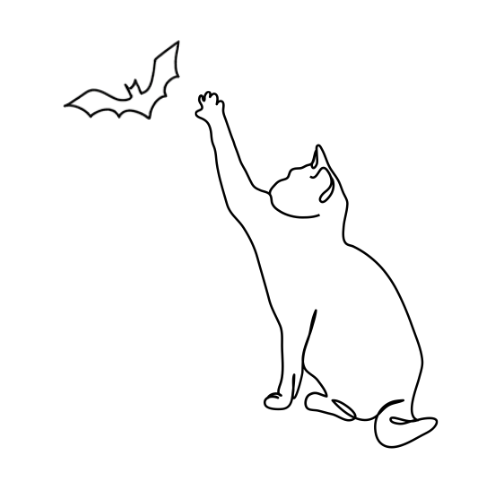
Predation by house cats is the single most common cause of bat deaths reported to the BC Community Bat Program.
Cats can hear bat echolocation and are skilled at catching bats in the air as well as at maternal roosts. It’s obviously bad for bats, and it also exposes the cat to various wildlife diseases, including rabies. If your cat or dog was in contact with a bat, contact a veterinarian for advice and treatment, tell us about the incident, and report the injured or dead bat.
Learn more
Wind turbines.
Wind energy is an important source of renewable power, but turbines can pose a serious threat to bats, especially long-distance migratory species like the hoary, silver-haired, and eastern red bats.
These migratory species are particularly vulnerable during late-summer and fall migration, and are now listed as Endangered under COSEWIC. Bats may be struck by turbine blades, or suffer fatal internal injuries from rapid pressure changes, a phenomenon known as barotrauma. Research across Canada has documented significant bat mortality at wind facilities, and these losses contribute to population declines of real conservation concern. As wind installations spread across the landscape, so does the risk to bats.
The provincial government produced Best Management Practices for Bats in British Columbia to give the wind industry recommendations for reducing and mitigating bat mortality at their facilities.
Learn more
Urban development & habitat loss.
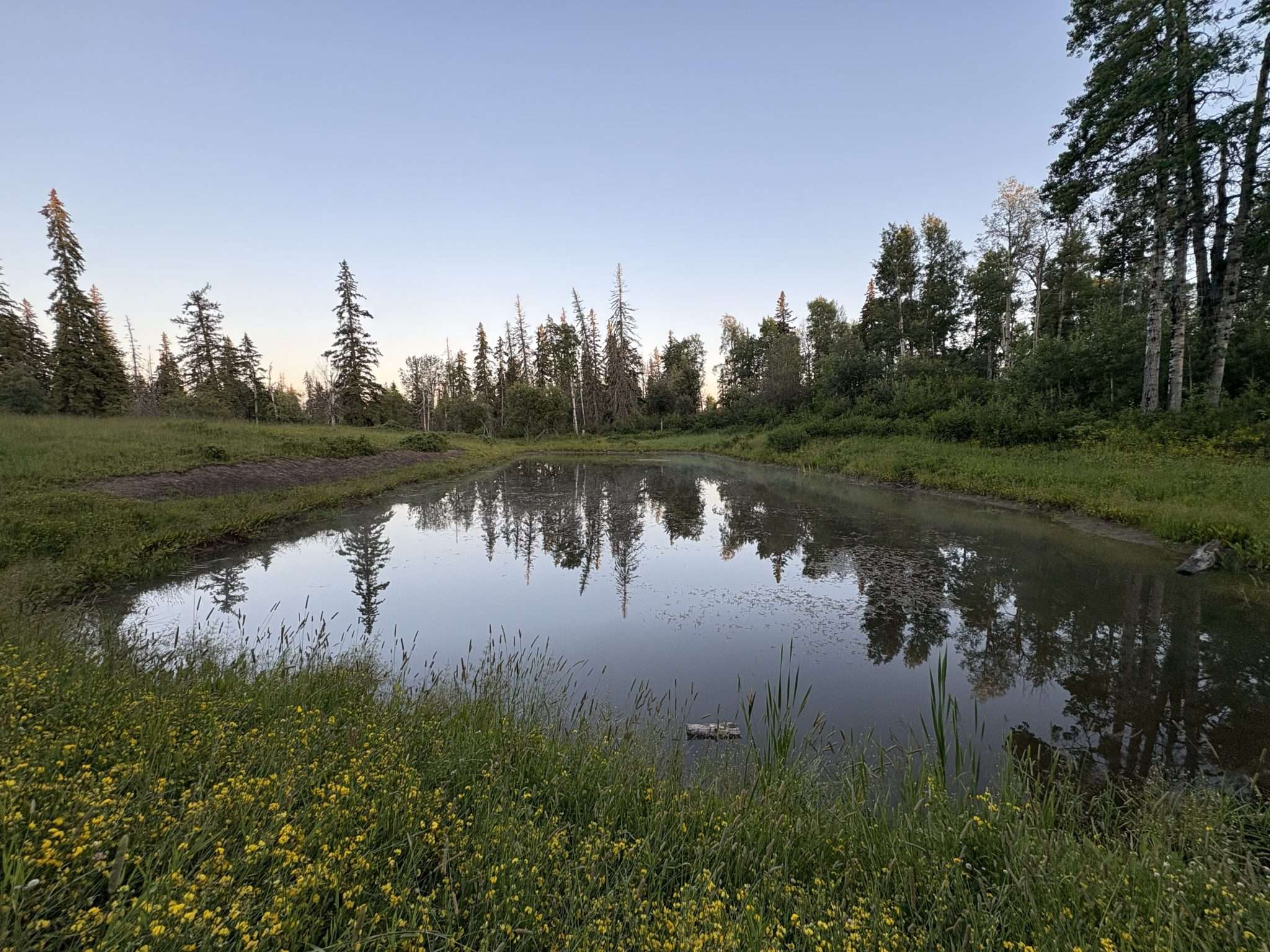
Urban landscapes offer far less prey than the forest ecosystems they replace, and for most of BC’s bats, they are poor-quality habitat for foraging and roosting.
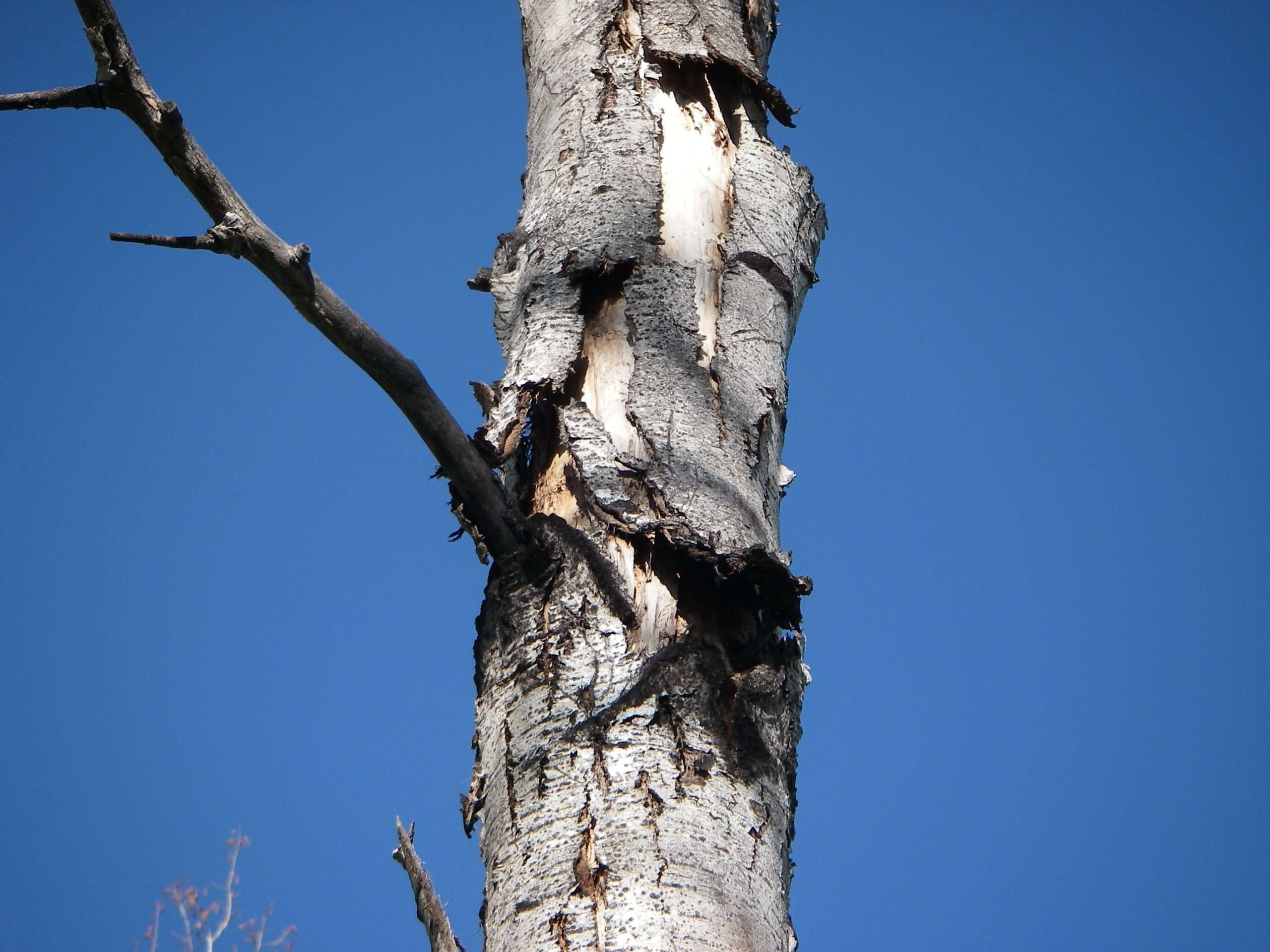
Development, roads and transportation networks, housing, industry, can radically change an area’s natural habitat. A few bat species have adapted and even expanded their range alongside people, but many have not. Bats need summer roosting habitat (large trees, caves, or cliffs), winter hibernation sites, and a good source of insects such as wetlands, all of which human activity can disrupt. Species that rely entirely on natural roosts, like older trees, caves, or rock crevices, may permanently lose habitat when an area is developed.
Foraging habitat can be eliminated or degraded by draining wetlands, diverting waterways, removing ephemeral wet areas, or reducing insect productivity through toxic run-off and sedimentation. Wetlands in urban settings may be contaminated by storm-water run-off carrying chemicals from many sources; these can move up the food chain from sediments to the aquatic invertebrates that later become bat food. Bats are highly sensitive to contaminants because of their high metabolic rates and small body size. Studies show such contamination harms individual bats, though the long-term effects on populations and species remain unknown.
Conservation & research.
Non-profits, government agencies, partnerships, and academic researchers across Canada are working to conserve bats, identifying knowledge gaps, monitoring wild populations, and managing threats to keep endangered bats from disappearing.
British Columbia Bat Action Team (BCBAT)
BCBAT brings together government and non-government biologists, academic researchers, veterinarians, students, naturalists, wildlife rehabilitators, and others who work to help BC’s bats. Although bats are managed by the provincial Ministry of Water, Land and Resource Stewardship, BCBAT’s committees shape provincial bat survey standards, the designation and management of species at risk, education and outreach, and research and conservation priorities. Reach BCBAT at mandy.kellner@gov.bc.ca.
Wildlife Conservation Society Canada
Many bat research and inventory projects have taken place in BC, general inventories, tree-roost research in forests, winter bat activity, and the identification of hibernacula. Wildlife Conservation Society Canada leads work on WNS survivorship, probiotics to reduce the disease’s effects, tree enhancement, roost mitigation, and more.
North American Bat Monitoring Program (NABat)
NABat launched in BC in summer 2016 to document bat species across the province and to detect changes in population sizes and distributions over time, information that matters all the more as WNS moves closer to BC.
How does it work? NABat uses a grid of 10 km by 10 km cells covering all of North America. Cells are sampled with bat detectors that record the high-frequency calls bats make; analysing those calls identifies the species and counts each one’s passes. Cells are sampled on Vancouver Island and in the Fraser Valley, Sunshine Coast, Okanagan, Thompson, Kootenay, Skeena, and Peace regions. In each cell, up to four detectors are placed in bat habitat for a week, alongside two driving transects. The program is run and funded by Wildlife Conservation Society Canada, with support from the Habitat Conservation Trust Foundation and the Columbia Basin Trust.