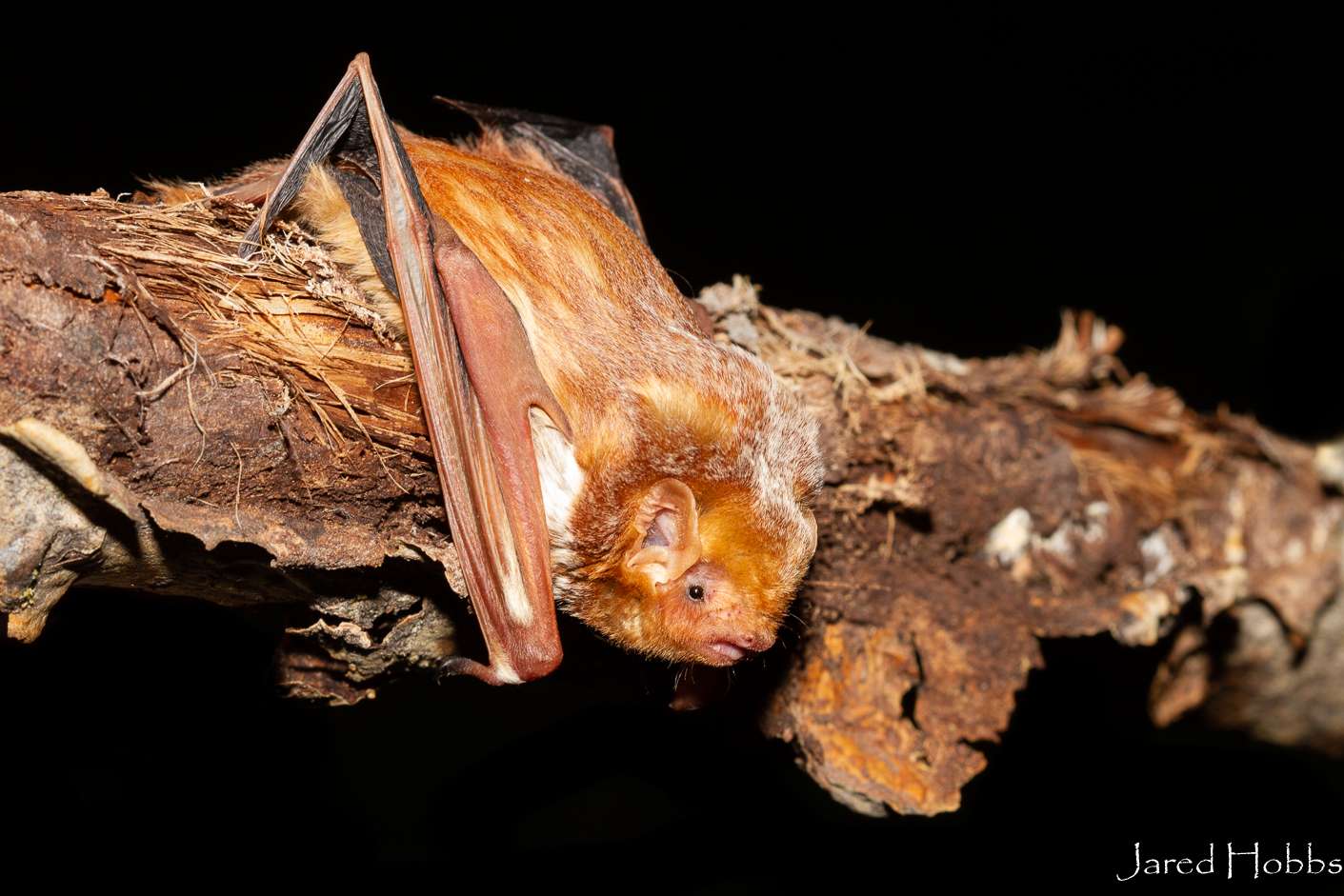
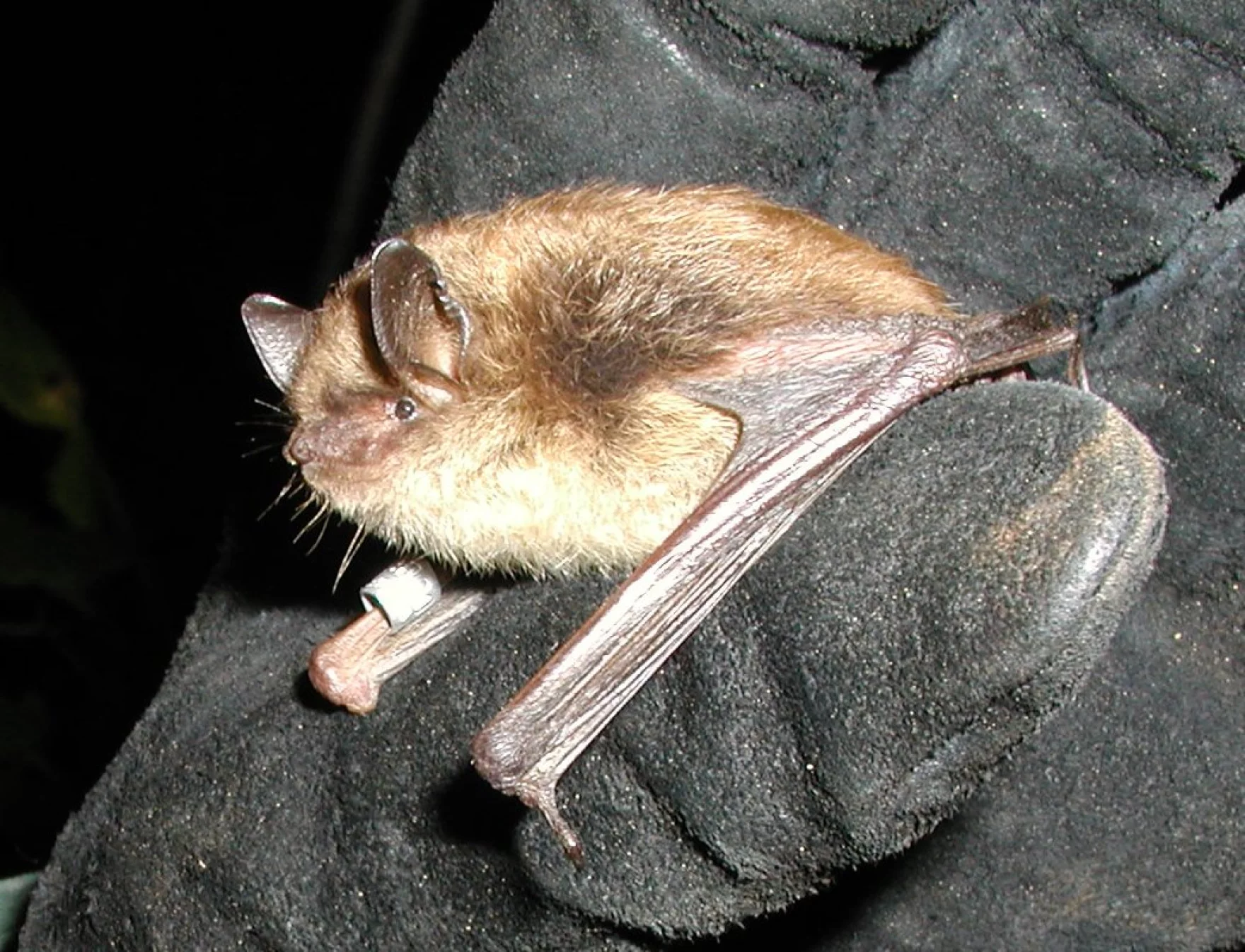
Bats have a remarkable immune system that protects them from infections and contributes to their longevity. Although bats can carry certain pathogens, they are an extremely low health risk for humans, there are more deaths each year from dogs and bee stings than from bats. Statistically, having an occupied bat box in your yard is safer than owning a dog or planting flowers.
Rare, but always take it seriously.
Rabies is a serious viral disease that affects the brain and nervous system. It is almost always fatal once symptoms develop, but it is preventable if treated promptly after exposure. Symptoms in humans can take 3 to 8 weeks (sometimes longer) to appear, and for treatment to work it must begin before symptoms develop.
Do bats carry rabies?
In British Columbia, bats are the primary reservoir for rabies. However, contracting rabies from a bat is extremely rare, and infection rates are very low:
- Less than 0.5% of wild bats test positive for rabies.
- From when reporting began in 1924 to 2025, 28 rabies deaths have been reported in Canada, two of them in BC.
- People cannot get rabies from bat urine or feces. It is transmitted through saliva and brain fluid.
Signs of a bat with rabies
Bats with rabies may appear sick and weak, and are more likely to end up somewhere people can come into contact with them, on the ground, for example. Be wary of bats that act strangely, such as flying during the day.
If you or your pet has had contact with a bat, see Touched or bitten by a bat and My pet caught a bat for next steps.
Very low risk, and easy to avoid.
There have been no documented cases of histoplasmosis in humans from bats in BC. It’s a lung infection caused by inhaling fungal spores that can grow where there are bird or bat droppings, though the primary sources are starlings, pigeons, and poultry. The disease is most common in the tropics and other humid environments.
In Canada, histoplasmosis is mostly found in central Canada; a cluster of cases was detected in Alberta in 2011. There are no documented cases of locally acquired histoplasmosis in humans or animals in British Columbia, and the overall risk here is considered very low.
Protect the bat, too.
Bat researchers follow strict safety protocols, not only so they don’t catch anything from bats, but to make sure bats don’t catch anything from people.
If you come across a bat in need of help, please consider wearing a mask to protect the bat from exposure to human viruses, especially if you are unwell.
Bats help keep us healthy.
As our understanding of bat ecology grows, so does our appreciation of the role bats play. Biologists consider bats ‘keystone’ species, species that play a key role in shaping the ecosystems we’re all part of.
Natural pest control
Bats consume vast numbers of insects each night, mosquitoes, agricultural pests, and forest insects among them.
Fewer mosquito-borne diseases
By reducing mosquito populations, bats help lower the risk of mosquito-borne disease for people.
Less pesticide use
Pest control by bats reduces the need for chemical pesticides, and people’s exposure to them. A 2024 study linked the loss of bats to white-nose syndrome in the US with increased farm insecticide use, and in turn a rise in infant deaths of nearly 8%.
Medical discoveries
A bat’s supreme immune system is a treasure box for scientists studying inflammation and infectious disease. Compounds in vampire-bat saliva, a substance called “draculin” are being studied to dissolve blood clots and improve stroke treatment.
Pollination & seed dispersal
Most BC bats eat insects, but worldwide many are vital pollinators and seed dispersers, regenerating forests and helping produce bananas, mangoes, and agave.