
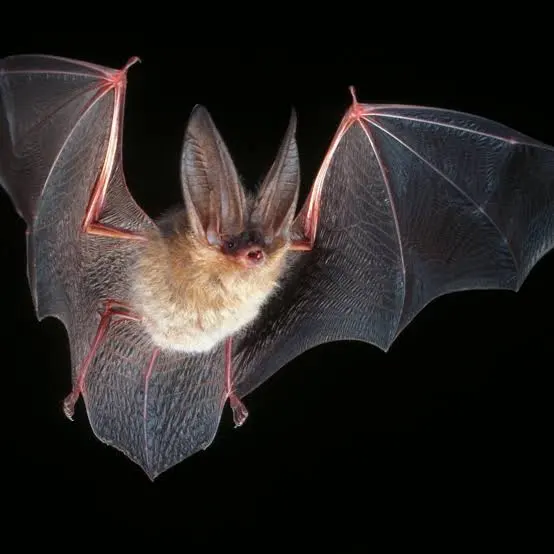
What ambassadors do.
Bat Ambassadors are trained by the BC Community Bat Program to be a friendly, knowledgeable voice for bats. No two ambassadors are quite the same, park interpreters, biologists, naturalists, and enthusiastic volunteers all bring something different, but everyone works toward the same goals with consistent messaging.
As an ambassador, you’re trained to:
- Promote the conservation of BC’s bat species.
- Correct misconceptions about bats and improve how the public sees them.
- Raise awareness of the BC Community Bat Program, regional programs, and the resources they offer.
- Collect valuable data on bats, including bat counts and white-nose syndrome surveillance.
- Deliver bat education programs with consistent goals and messaging.
- Promote Bat-Friendly Communities across BC.
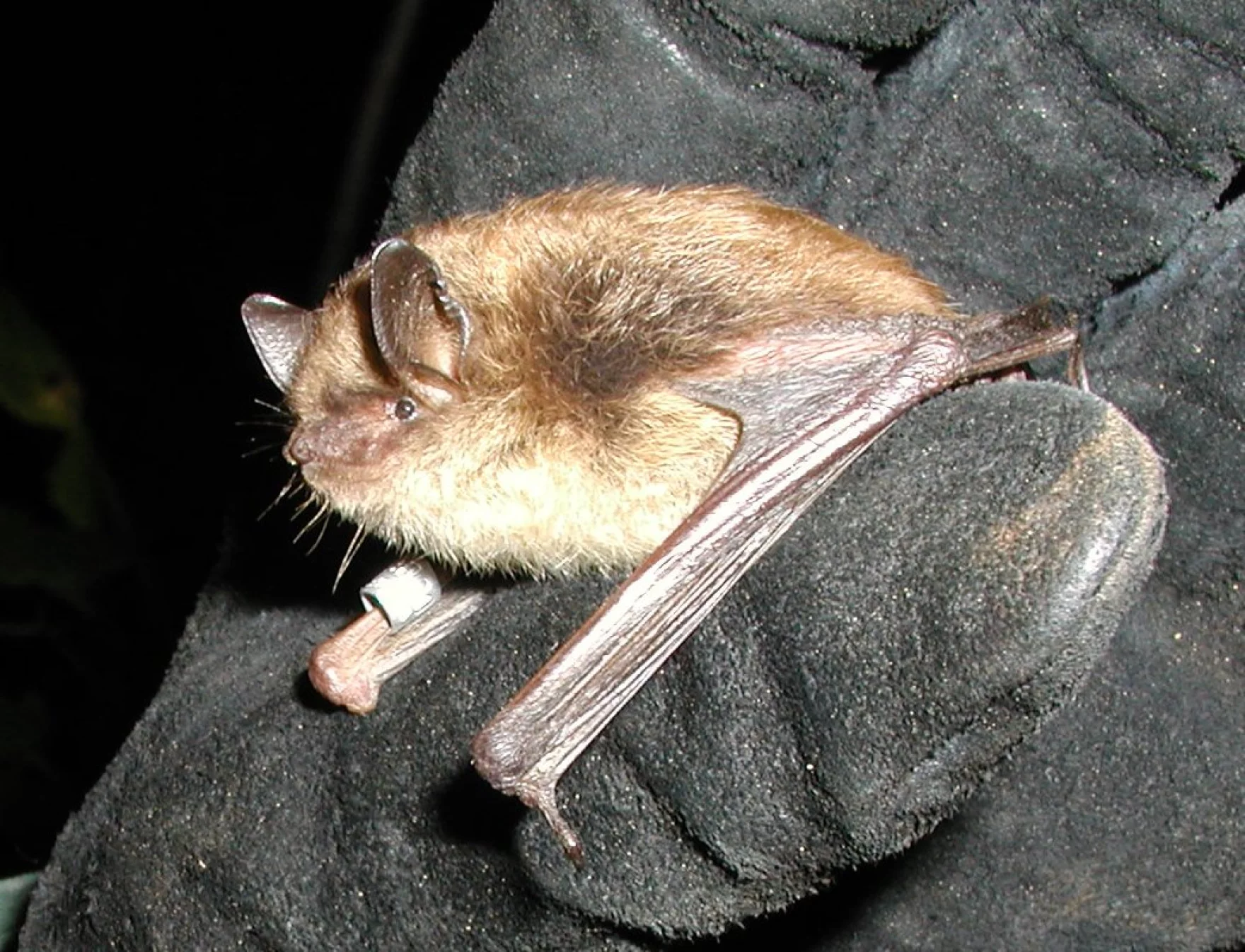
Start close to home.
Bat Ambassadors usually work with their regional Community Bat Program. Reach out to your regional coordinator to talk about becoming a Bat Ambassador for your town or area.
Everything you need to share.
Ambassadors don’t start from scratch. The program provides handbooks, presentation slides, and background guides so you can speak with confidence, whether you’re at a community table or in front of a classroom.
- A Bat Ambassador Handbook and a “Bats 101” primer covering all the essentials.
- Ready-to-use presentations for talks and outreach events.
- Clear guidance for discussing rabies and bat safety with the public.
- Activity ideas and materials for working with kids and educators.
Ambassador materials are shared during training. You can also browse our public resources any time.