
1 · Choose a design
From a multichamber box to a rocket to a bat condo, we have free guides to help you choose the right type of box for your site.
Guide coming soonFrom the urgent (you’ve been touched or bitten) to the everyday (a bat in your house), fast guidance for every kind of encounter.
Bats roost in attics, awnings, barns, sometimes for decades. Here’s how to coexist safely, manage a colony, or report one on a property you’re buying or selling.
Bat biology, BC’s 15 species, real-world safety, white-nose syndrome, and the conservation science that shapes our work.
See all in About bats →Summer evening bat counts, acoustic surveillance, ambassador training, Bat-Friendly Community certification, bat boxes. The province-wide network runs on people.
See all in Help bats →Guides, downloads, and outreach materials tailored to who you are, a homeowner, a teacher, a kid, an industry partner.
See all in Resources →Reach a regional coordinator, get in touch with us, browse the latest, or meet the partners and funders behind the work.
Support our work DonateBat boxes are artificial roosts designed to support bats when their habitat has been removed or when a colony has been evicted from a building. Learn how, when and where a bat box can be put up to benefit bats in BC.
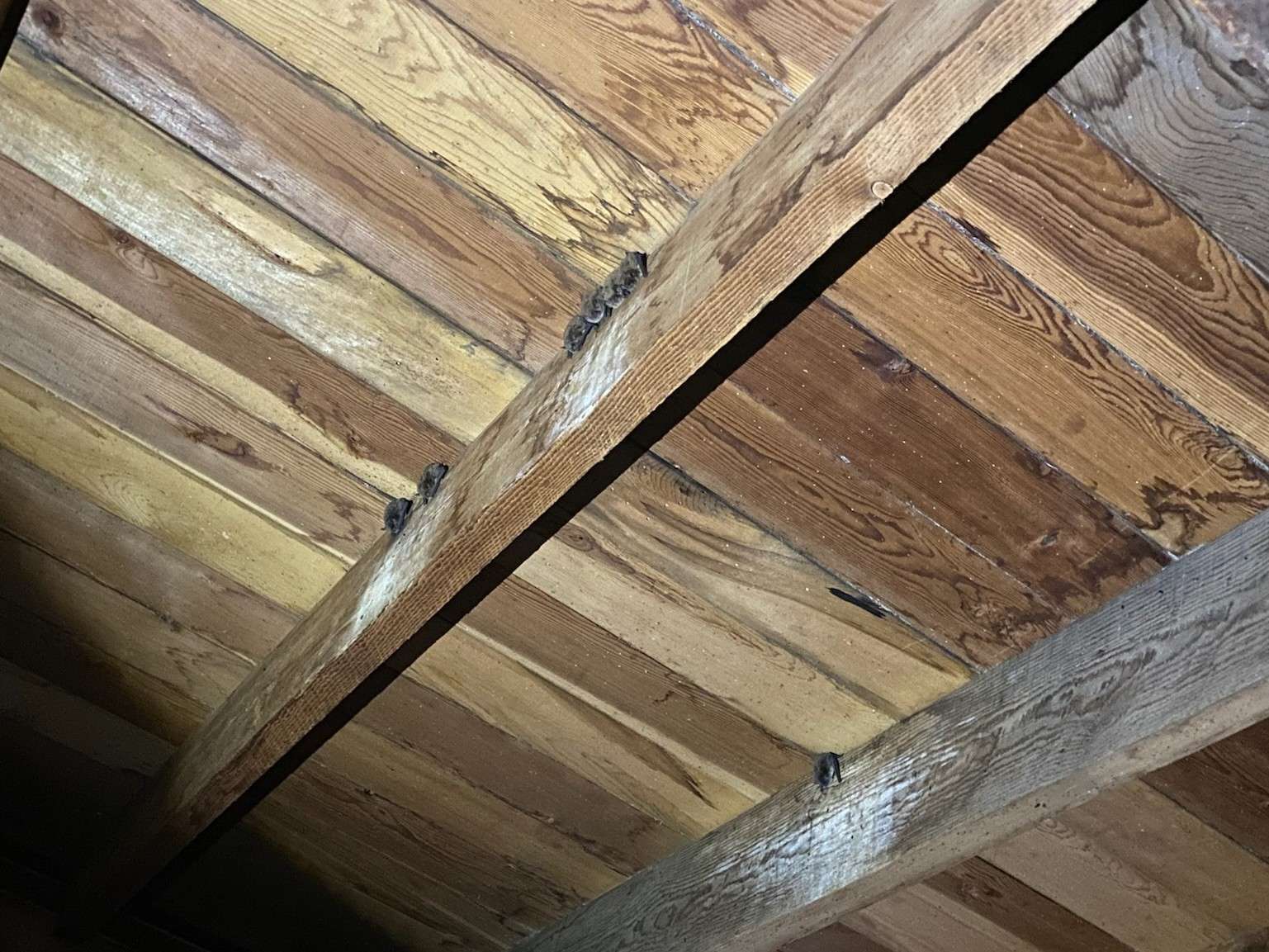
A bat box gives displaced bats somewhere to go, placeholder photo.
Photo: placeholder, to be replaced
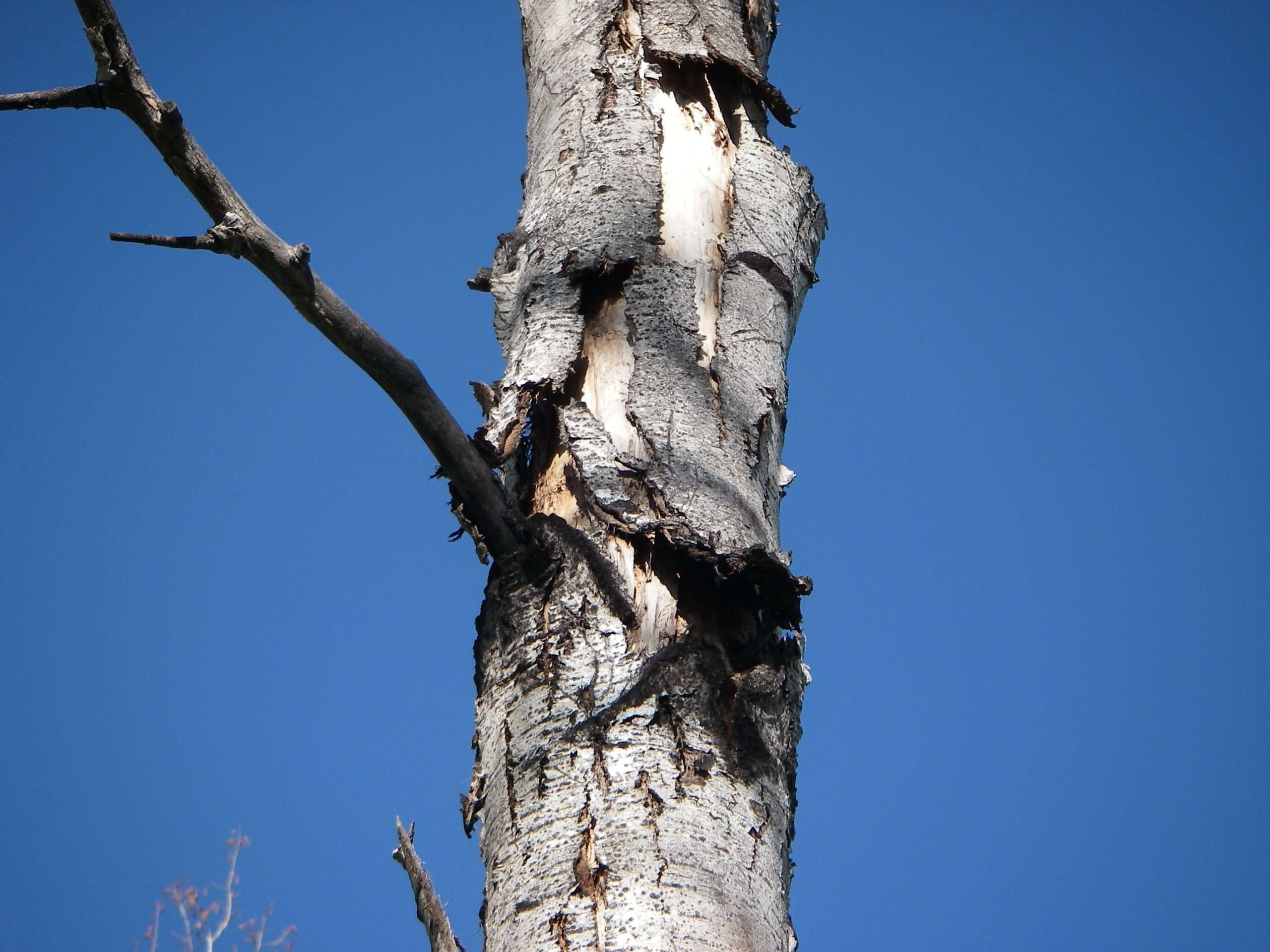
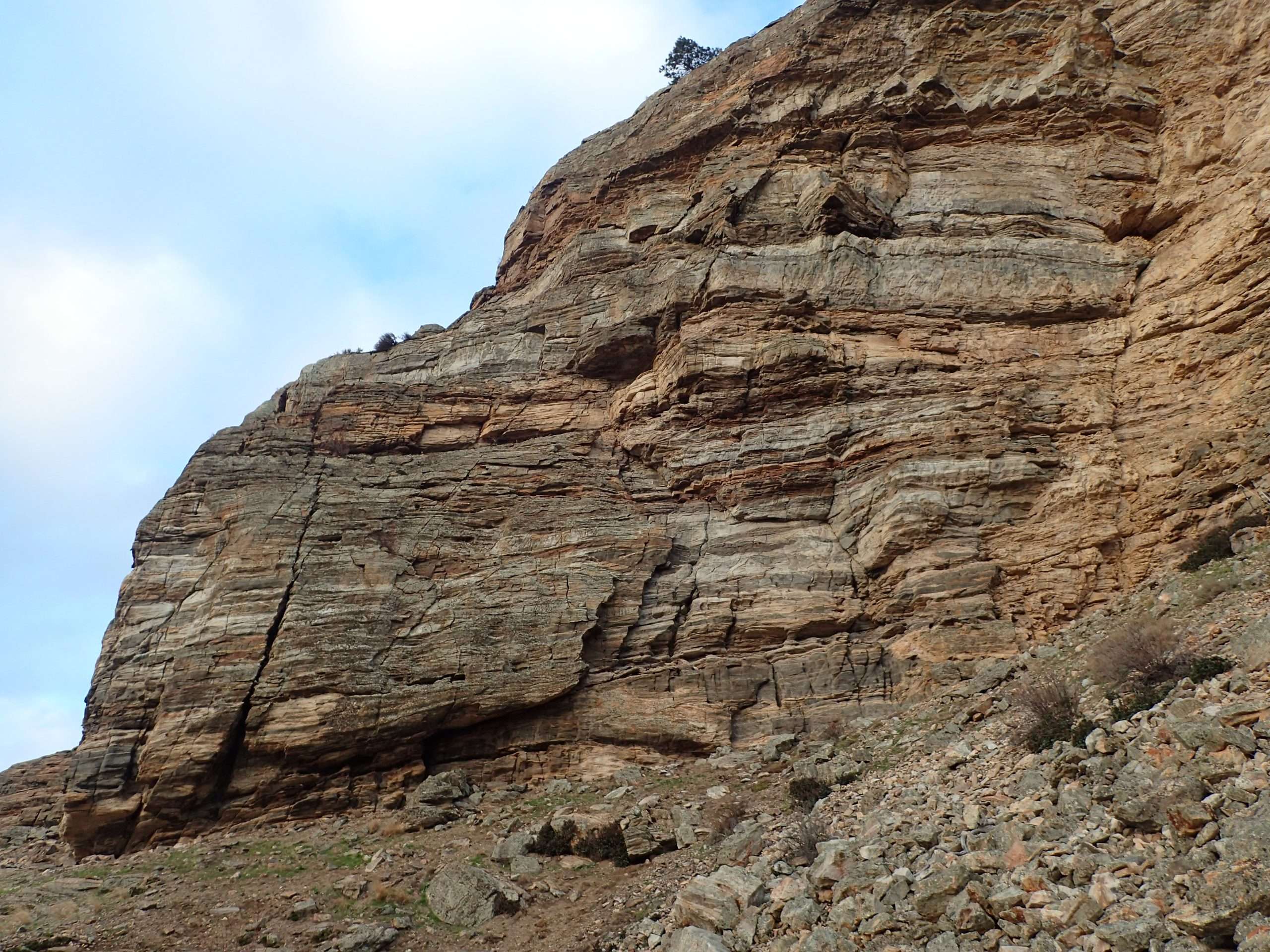
While bat boxes are becoming increasingly popular worldwide, it’s worth remembering that they’re not a replacement for natural bat habitat, and not all bats use them. In British Columbia, 90% of bat boxes are used primarily by two of the province’s 15 species, Little Brown Myotis and Yuma Myotis. Other species rely on natural roosting sites such as trees, snags and cliffs, and rarely or never use bat boxes.
Before installing one, it’s important to consider whether a bat box is necessary or appropriate for your property.
Protecting active bat colonies and maintaining natural habitat is always the priority. A bat box is most valuable where habitat has already been lost, and can do harm where it hasn’t.
Bat boxes may be valuable in the following situations:
Bat boxes are not recommended in undisturbed areas where natural roosts are already available, such as:
If you’ve removed mature or dead trees, or evicted bats from a barn, attic, or other building, you can support displaced bats by putting up a bat box. Here are a few simple steps to get you started.
From a multichamber box to a rocket to a bat condo, we have free guides to help you choose the right type of box for your site.
Guide coming soonBuild a box with our simple guides, or find out where to purchase ready-to-use, bat-friendly boxes in BC.
Guide coming soonLocation, size and number all matter. Learn where to put up a box to make it effective and bat-friendly.
Guide coming soonHelp us learn about bat boxes and their use in British Columbia by filling out a short online form.
Form coming soonBecome a citizen scientist: learn to count the bats in your box and share your count to help us monitor BC bats.
Learn to count bats →A single pellet of guano can tell us which species roosts in your box. Collect a sample, mail it to us, and help us learn how bats use boxes.
Guide coming soonFree references on how to build, place and maintain safe, bat-friendly boxes in British Columbia. Downloads coming soon, ask your coordinator for a copy in the meantime.
A technical guide to the criteria to consider when building, installing and maintaining bat boxes so they stay bat-friendly and safe.
PDF, 2019 · 11 pages · download coming soon
A reference guide on how to build, where to place, and how to maintain safe bat boxes for bats in British Columbia.
PDF, 2017 · 32 pages · download coming soon
An infographic summary of best-management practices for bat houses across the USA and Canada.
PDF, 2025 · 4 pages · download coming soon
Looking for more? Browse the document library or our resources, and learn how the province is responding to white-nose syndrome.
Mount it 4–6 m high on a building or pole — not a tree — with a clear flight path below and several hours of direct sun, usually facing south or southeast in BC. Bats need warm roosts, so sun exposure and a dark exterior matter a lot.
Be patient — adoption can take one to three seasons, and some boxes are never used. Good placement, strong sun, and being near existing bat activity or water make success far more likely.
Yes — adding your box to the provincial registry helps track where bats roost and lets you join the Annual Bat Count. Registration is free through the BC Community Bat Program.
No — a well-placed box gives bats their own dedicated roost and doesn't draw them indoors. Sealing gaps on your house while offering a box nearby is the coexistence-friendly approach.
Adding your box to the provincial registry helps us understand where bats roost — and lets you join the count.
Your box is on our radar. If you opted into the count, we’ll be in touch with counting details.
Everything linked to this page — free to open and share.
Chat with your regional coordinator about bat boxes, where to place them, and how to maintain them so they stay safe for bats.