
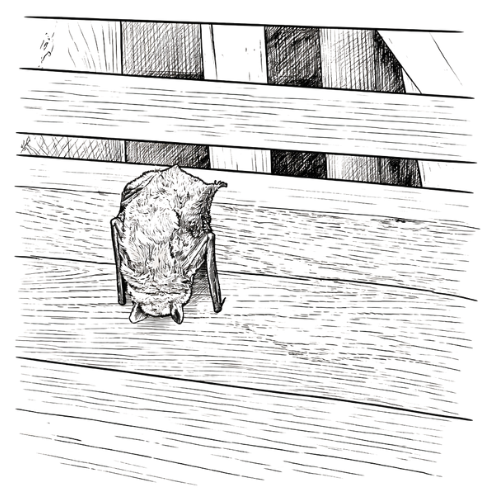
From the urgent (you’ve been touched or bitten) to the everyday (a bat in your house), fast guidance for every kind of encounter.
Bats roost in attics, awnings, barns, sometimes for decades. Here’s how to coexist safely, manage a colony, or report one on a property you’re buying or selling.
Bat biology, BC’s 15 species, real-world safety, white-nose syndrome, and the conservation science that shapes our work.
See all in About bats →Summer evening bat counts, acoustic surveillance, ambassador training, Bat-Friendly Community certification, bat boxes. The province-wide network runs on people.
See all in Help bats →Guides, downloads, and outreach materials tailored to who you are, a homeowner, a teacher, a kid, an industry partner.
See all in Resources →Reach a regional coordinator, get in touch with us, browse the latest, or meet the partners and funders behind the work.
Support our work DonateWhat to do if you see a bat or accidentally come in contact with a bat. Explore our advice pages below for steps and information.
Whether you encounter a bat outside, find a single bat or a bat colony in your home or workplace, or accidentally come into contact with a bat, there are simple steps you can take to handle the situation while keeping people, bats and pets safe. We are here to help.
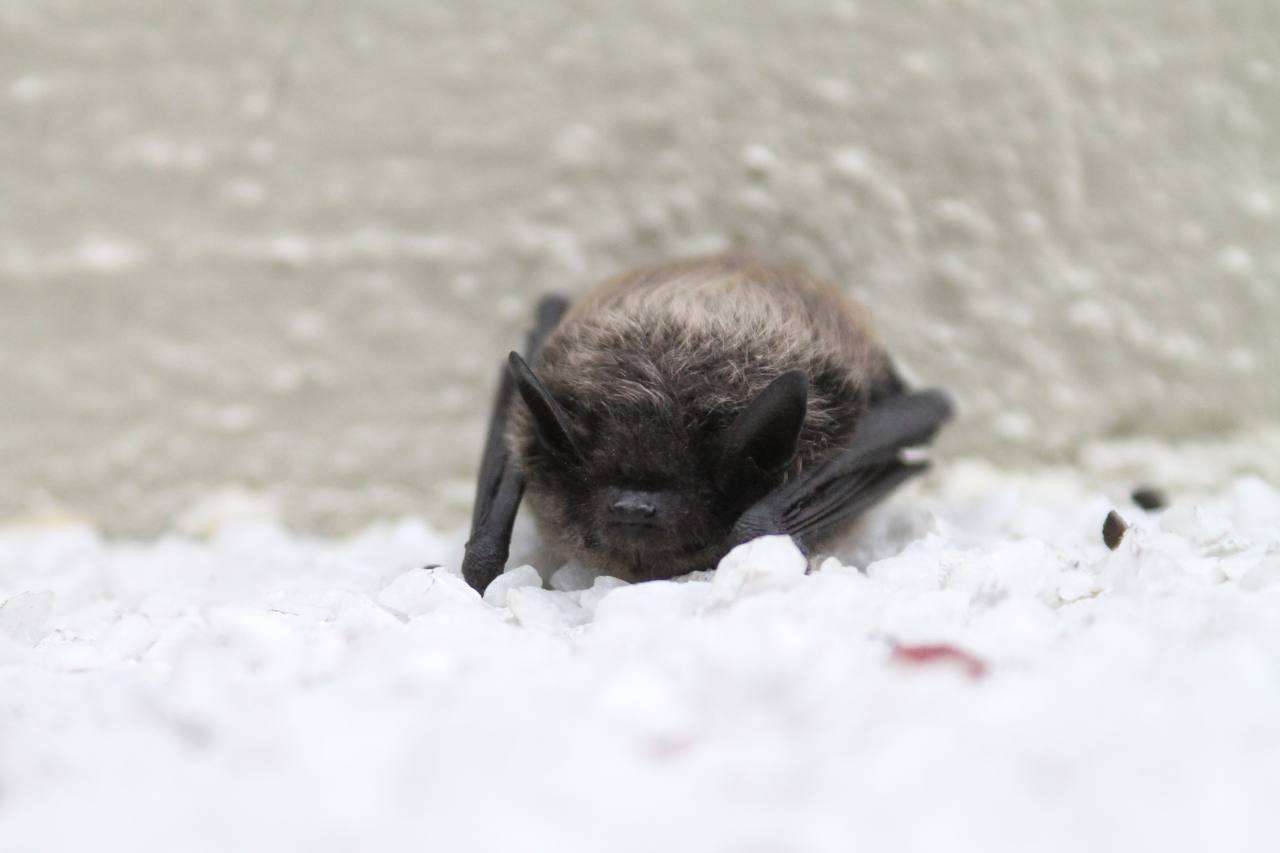
Myotis, Kelowna, BC.
Photo: Anna Skurikhina · 2024
Don't touch it with bare hands. If no person or pet had contact and it's daytime, contain it safely or let it fly off at dusk. If anyone was bitten, scratched, or touched the bat, treat it as a possible rabies exposure and seek medical care the same day.
Bats are usually active at night, so one out in daylight, on the ground, or unable to fly may be sick or injured. Keep people and pets well away, never handle it barehanded, and contact your regional bat coordinator for advice.
No — rabies only spreads through a bite, scratch, or direct contact with saliva, not from sharing a room. But bat bites can be tiny and unfelt, so if a bat was in a room with a sleeping person, child, or pet, call your health authority (8-1-1 in BC).
Treat it as a possible rabies exposure for your pet. Confine your pet, keep everyone from handling the bat barehanded, and contact your veterinarian and regional coordinator — even a vaccinated pet may need a booster.