
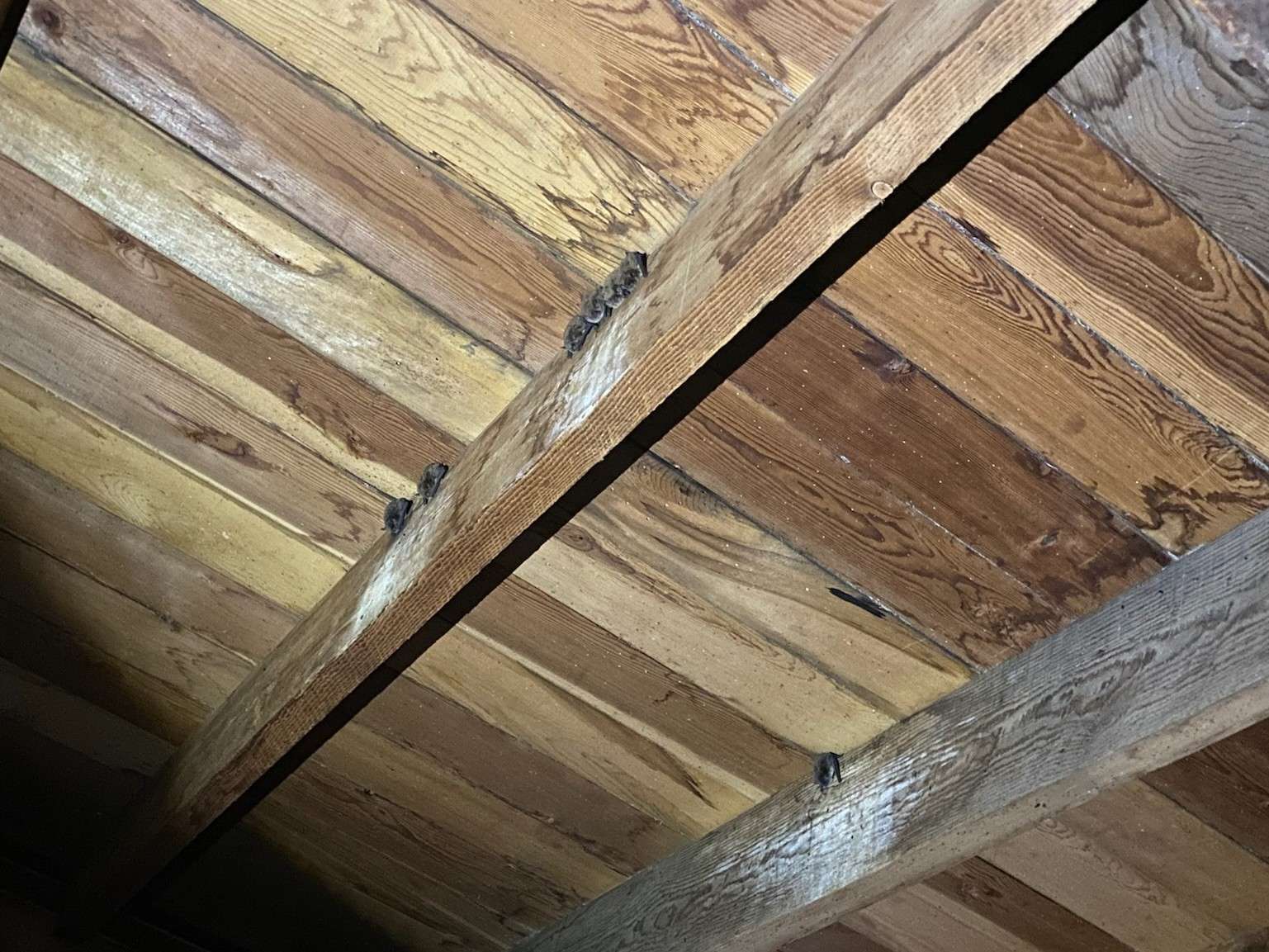
Each summer, female bats gather in maternity colonies to have and raise their young. Abandoned houses, barns, attics, and church steeples all make good summer homes. By counting the bats that leave these roosts each evening, volunteers help biologists gauge the health of bat populations from one year to the next.
That year-to-year picture matters more than ever. White-nose Syndrome, a fungal disease that has killed millions of bats in North America, has reached the continent, and the counts you gather are one of the best ways to spot its effects early. Every roost counted adds to the picture.
Choose your level.
You can help with a single evening or follow a roost right through the summer, every count is useful. Pick the level that fits your time.
Level 1, Bat Reporter
One count over the summer, ideally between June 1 and 21, before the pups can fly.
Level 2, Bat Tracker
Two counts between June 1 and 21, giving a steadier read on the colony before the pups take wing.
Level 3, Bat Enthusiast
Two counts June 1 to 21 plus two more July 11 to August 5, capturing the colony before and after the pups are flying.
When to count.
The ideal season is four counts spread across the summer, two before the pups can fly, and two once they’re on the wing.
- Two counts between June 1 and 21, before the pups can fly, so you’re counting the adult females.
- Two counts between July 11 and August 5, once the pups are flying, so the colony’s young are counted too.
Even a single count helps. If four evenings is more than you can manage, choose the level above that suits you and count when you can.
How to count.
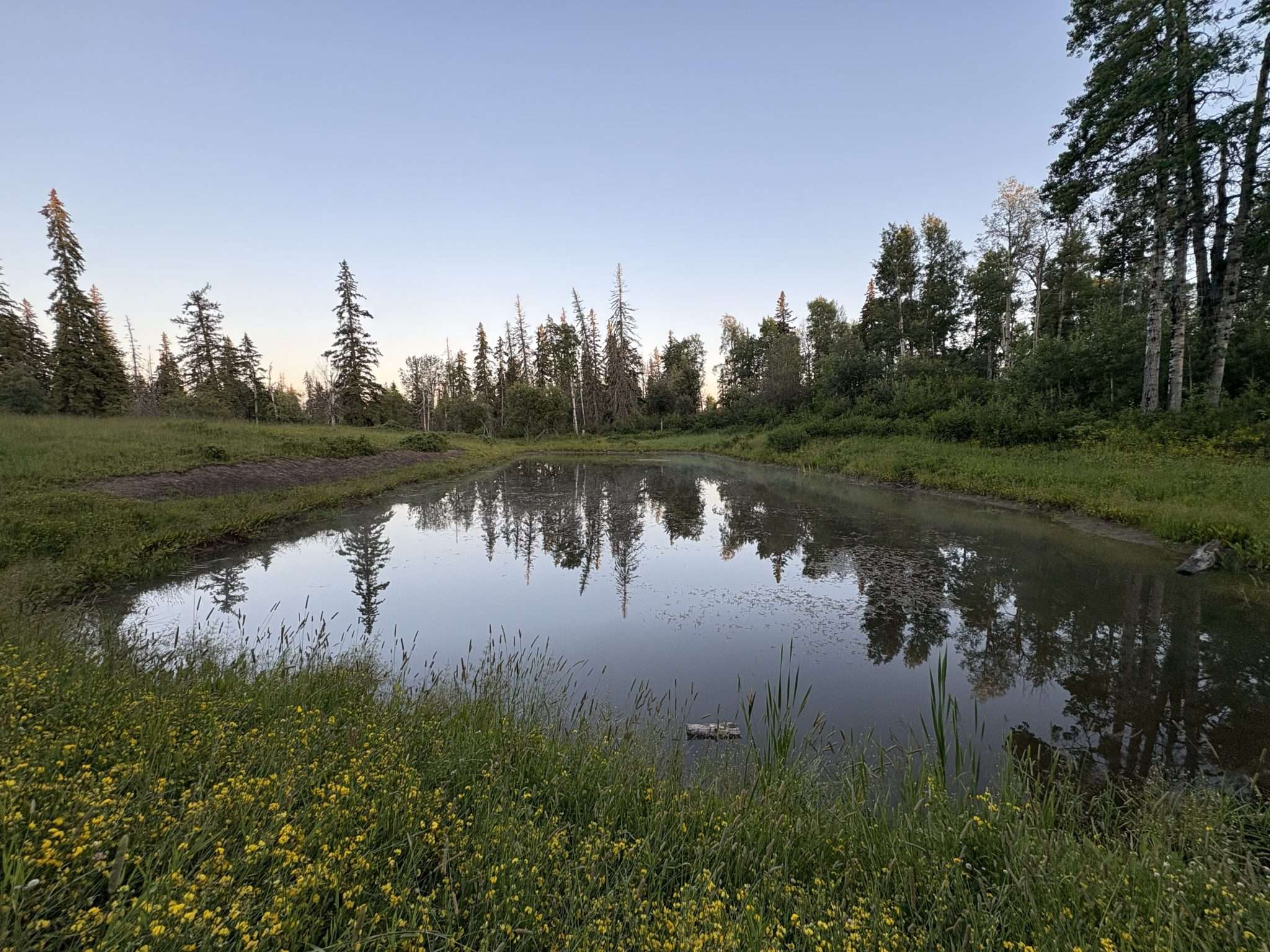
A count is simple: arrive before dark, get comfortable where you can see the exit, and tally the bats as they stream out.
- Arrive at your bat roost at sunset, bats begin to emerge at dusk.
- Count on a suitable evening: air temperature at least 12°C, with no rain and low wind.
- Sit or stand outside where the bats’ exit point is visible from a comfortable distance.
- Tally the bats as they fly out to feed, using a counting app on your phone or a hand “clicker.”
- Record what you see on the data sheet.
- Mail us your data sheet at the end of the summer.
Forms & downloads.
Print the instructions and a data sheet before your first count. Some counters also collect a guano sample for DNA analysis, instructions are below.
White-nose Syndrome precautions
Because White-nose Syndrome can spread on gear and clothing, please follow the BC government’s decontamination protocol when counting.
Decontamination isn’t needed if you’re counting at only one roost site and you stay outside the roost area, not walking under the bat box or roost exit, and not stepping on guano.