
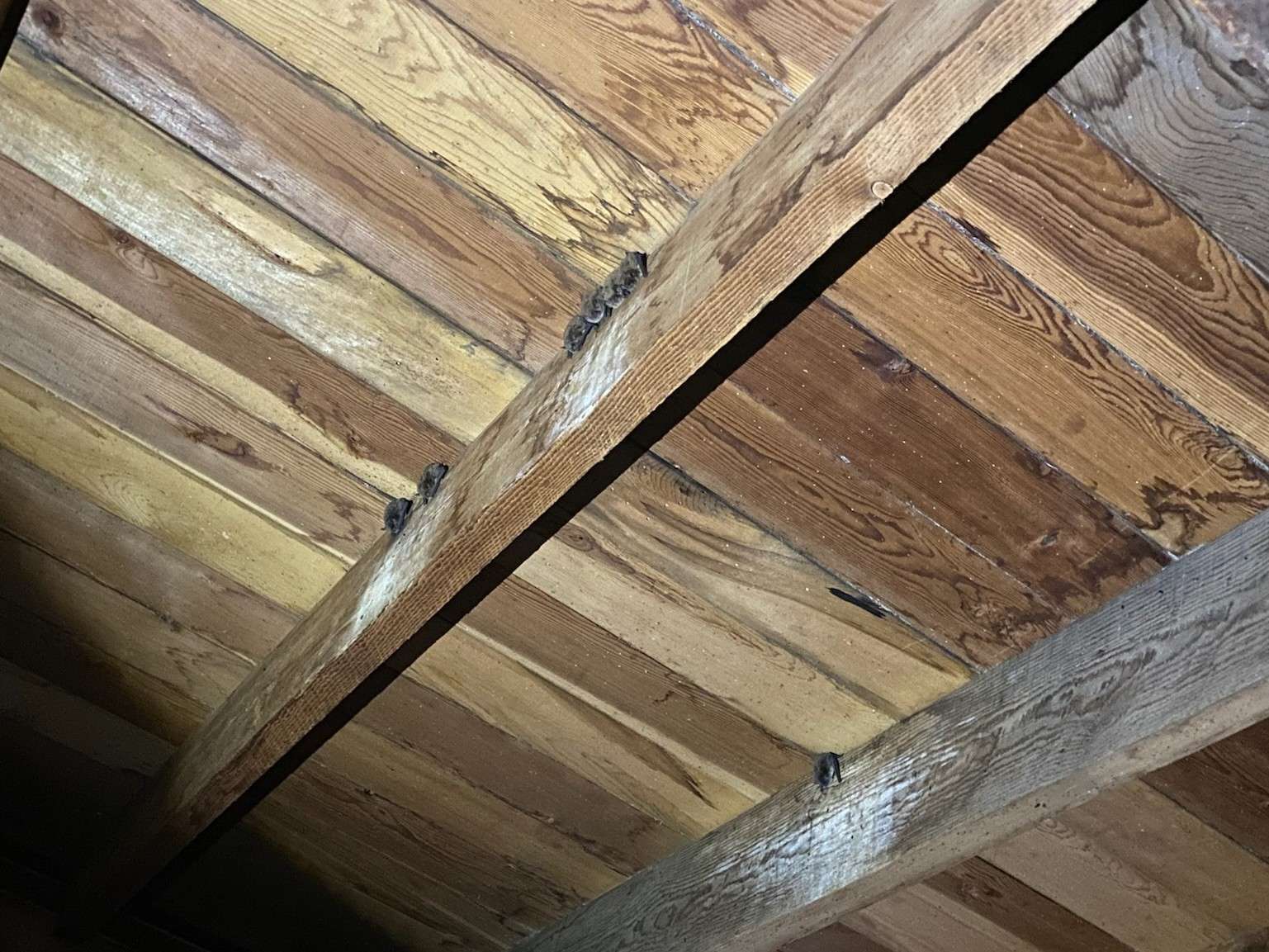
Many bats live in close association with our communities, and a few species, such as the Little Brown Myotis, rely on human-made structures to roost and raise their young. Local governments are uniquely placed to protect the habitat, structures, and green spaces that keep bats part of the neighbourhood. The Bat-Friendly Community program gives councils and staff a clear, achievable framework for doing exactly that.
Below is what the designation involves for a local government, and how to get started, your regional coordinator can help every step of the way.
Bats need habitat, and communities can provide it.
Bats need three basic things to survive: food, shelter, and water. Well-managed habitats in urban, rural, and wild areas can provide all three, and much of that habitat sits on land that local governments own, manage, or regulate.
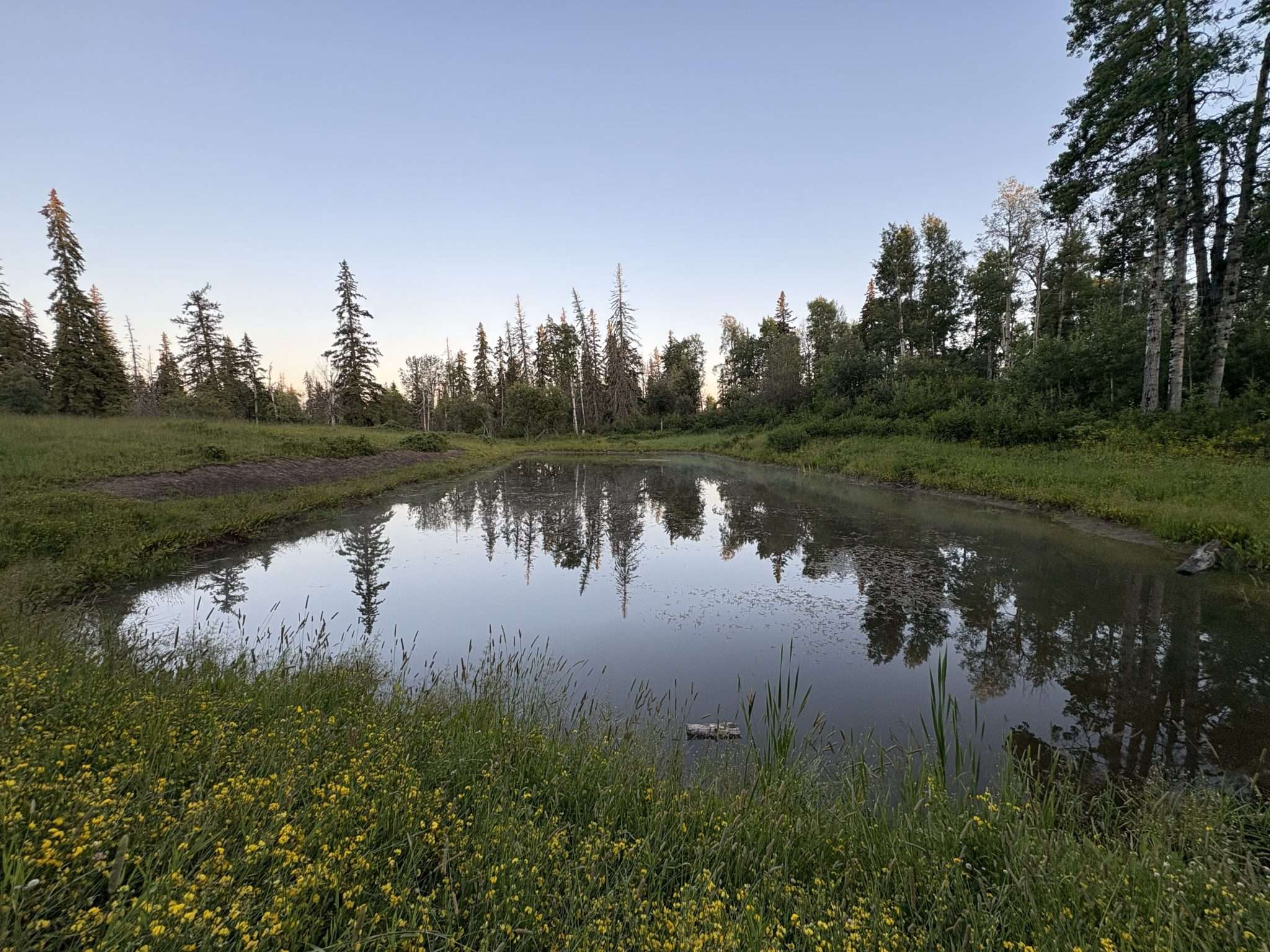
Bats use a wide variety of habitats when hunting insects, including wetlands, forests, shrubs, and grasslands. The more variety, the better. Parks, greenways, natural areas, and street plantings all add up, and native trees and shrubs support the insects bats depend on.
Where local government fits in
- Protecting and enhancing green spaces, wetlands, and riparian areas where bats forage and drink.
- Encouraging native trees, shrubs, and flowering plants on public land, see Create habitat.
- Safeguarding the buildings and structures some species already use as roosts.
- Helping residents understand what to do if they find a bat, and how to welcome bats safely.
Communities from Dawson Creek to Penticton, Richmond, Delta, and the Township of Langley have already earned Bat-Friendly status, see the full Bat-Friendly Community list.
Four ways to be bat-friendly.
Becoming a Bat-Friendly Community is about meaningful, achievable action, scaled to fit your community. For a local government, the work generally spans four connected areas.
Raise public awareness
Share clear, friendly information so residents know what to do if they find a bat, and why bats are worth welcoming. Signage, web pages, library displays, and events all help.
Promote bat-friendly management
Manage parks and public land in ways that support bats, retaining wildlife trees where safe, reducing pesticide use, and considering bats in lighting and building decisions.
Protect green spaces & wetlands
Safeguard and enhance the green spaces, wetlands, and native plantings where bats forage and drink, the habitat that ultimately feeds the whole population.
Review supportive by-laws
Look at local policies and by-laws through a bat-friendly lens, so they help, rather than hinder, habitat protection and bat-friendly practices.
These areas reflect the three core commitments of the province-wide Bat-Friendly Community program, protecting and creating habitat, providing information, and promoting learning, translated into the tools a local government has to hand.
Begin with a conversation.
Any municipality, regional district, First Nation, or community organization can take part. You don’t need everything in place first, the best first step is simply reaching out.
Getting started
- Contact your regional bat program coordinator, who can walk council and staff through the criteria and options.
- Review the Bat-Friendly Community program and see which actions your community already meets.
- Draw on the Resources library for handouts, gardening guides, and habitat information you can share with residents.
- Plan a small set of achievable actions across awareness, management, green space, and policy, then build from there.
Tools to take further.
Practical guides and programs that support bat-friendly work in your community, for staff, councils, and residents alike.
Not sure where your community should begin? Contact us and we’ll point you to the right coordinator and resources.