From the urgent (you’ve been touched or bitten) to the everyday (a bat in your house), fast guidance for every kind of encounter.
Bats roost in attics, awnings, barns, sometimes for decades. Here’s how to coexist safely, manage a colony, or report one on a property you’re buying or selling.
Bat biology, BC’s 15 species, real-world safety, white-nose syndrome, and the conservation science that shapes our work.
See all in About bats →Summer evening bat counts, acoustic surveillance, ambassador training, Bat-Friendly Community certification, bat boxes. The province-wide network runs on people.
See all in Help bats →Guides, downloads, and outreach materials tailored to who you are, a homeowner, a teacher, a kid, an industry partner.
See all in Resources →Reach a regional coordinator, get in touch with us, browse the latest, or meet the partners and funders behind the work.
Support our work DonateBats are unique and interesting animals. Learn about their life history, their remarkable diversity, and the habitat they rely on to survive.
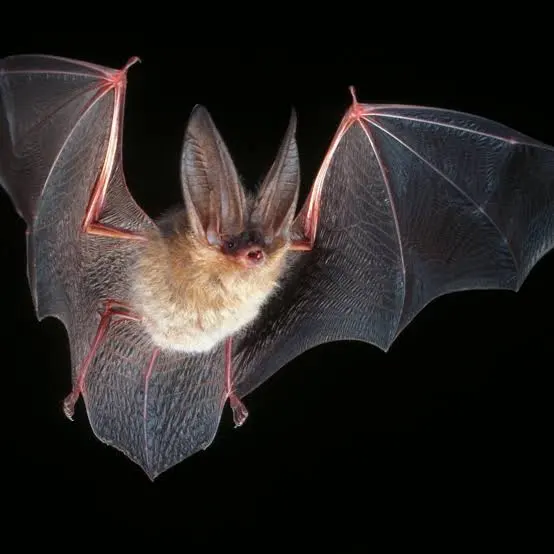
A close look at one of British Columbia’s bats, placeholder image.
Photo: placeholder, to be replaced (banner: Fringed Myotis by Jared Hobbs)
Worldwide, bats make up nearly a quarter, about 22%, of all mammal species, and live on every continent except Antarctica. They carry a host of fascinating adaptations: true flight and incredible agility, echolocation, longevity, cleanliness, intelligence, and strong social bonds.
According to the Mammal Diversity Database, there are at least 1,500 different species of bats on the planet, and counting.
Across Canada, we have at least 17 confirmed species of bats, three of them migratory. British Columbia has the most bat species of any province — fifteen confirmed here through capture, plus two more known only through acoustic occurrences. Meet the fifteen below; tap any card for its field-guide details.
Found a bat, or sharing your home with a colony? Your regional Community Bat Program coordinator is here to answer questions and lend a hand.