
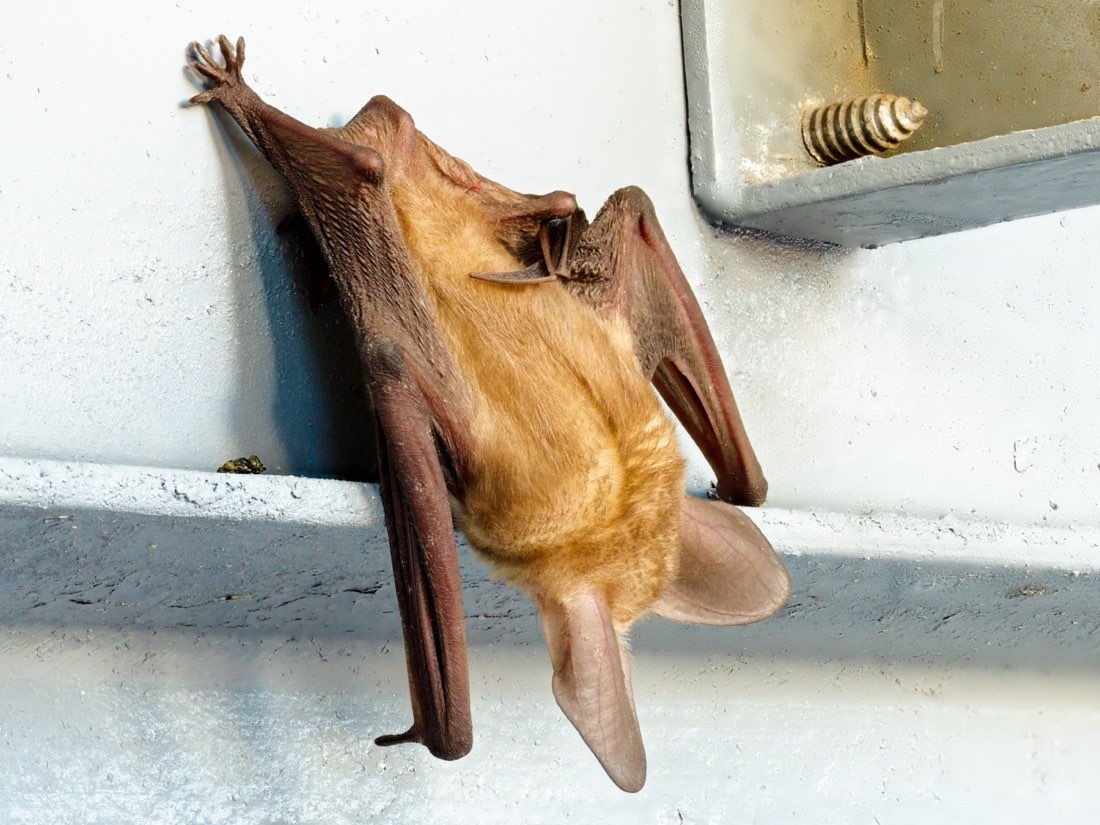
Photo: Simon Grant
On a wall
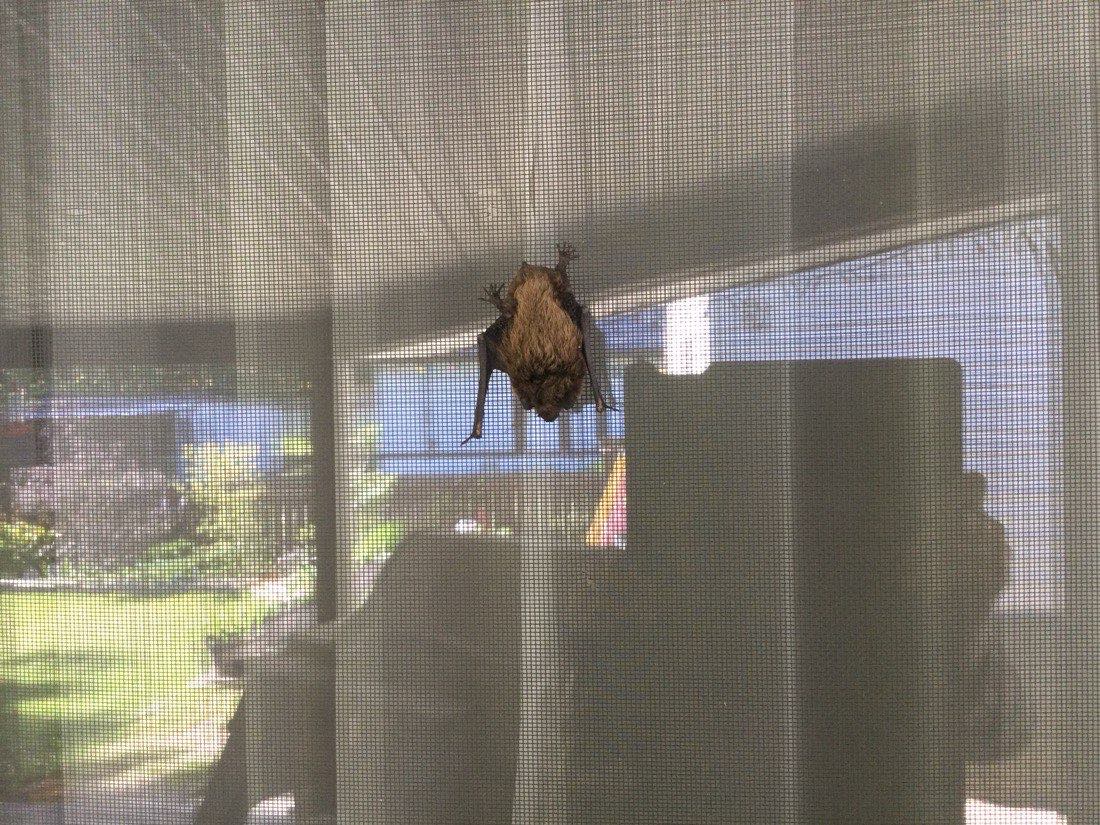
A Pallid Bat tucked against an entryway wall.
From the urgent (you’ve been touched or bitten) to the everyday (a bat in your house), fast guidance for every kind of encounter.
Bats roost in attics, awnings, barns, sometimes for decades. Here’s how to coexist safely, manage a colony, or report one on a property you’re buying or selling.
Bat biology, BC’s 15 species, real-world safety, white-nose syndrome, and the conservation science that shapes our work.
See all in About bats →Summer evening bat counts, acoustic surveillance, ambassador training, Bat-Friendly Community certification, bat boxes. The province-wide network runs on people.
See all in Help bats →Guides, downloads, and outreach materials tailored to who you are, a homeowner, a teacher, a kid, an industry partner.
See all in Resources →Reach a regional coordinator, get in touch with us, browse the latest, or meet the partners and funders behind the work.
Support our work DonateA bat resting somewhere outdoors is usually fine, what to do depends on where it is. On the ground, on a wall, or in an odd spot? Find your situation below.
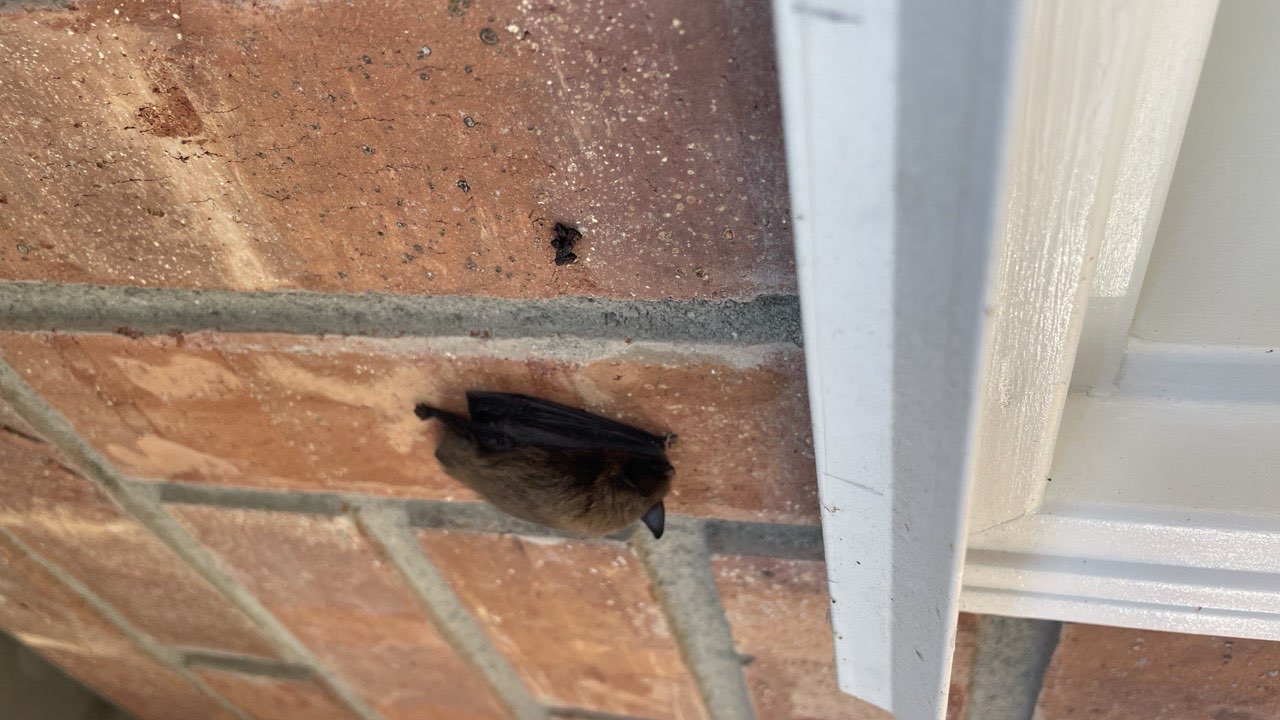
A bat resting on an exterior wall, usually best left alone.
Photo: BC Community Bat Program
Finding a bat outside is usually nothing to worry about, bats rest in all kinds of places between flights. What you should do depends entirely on where the bat is and whether it can get itself to safety. Find the situation that matches yours.
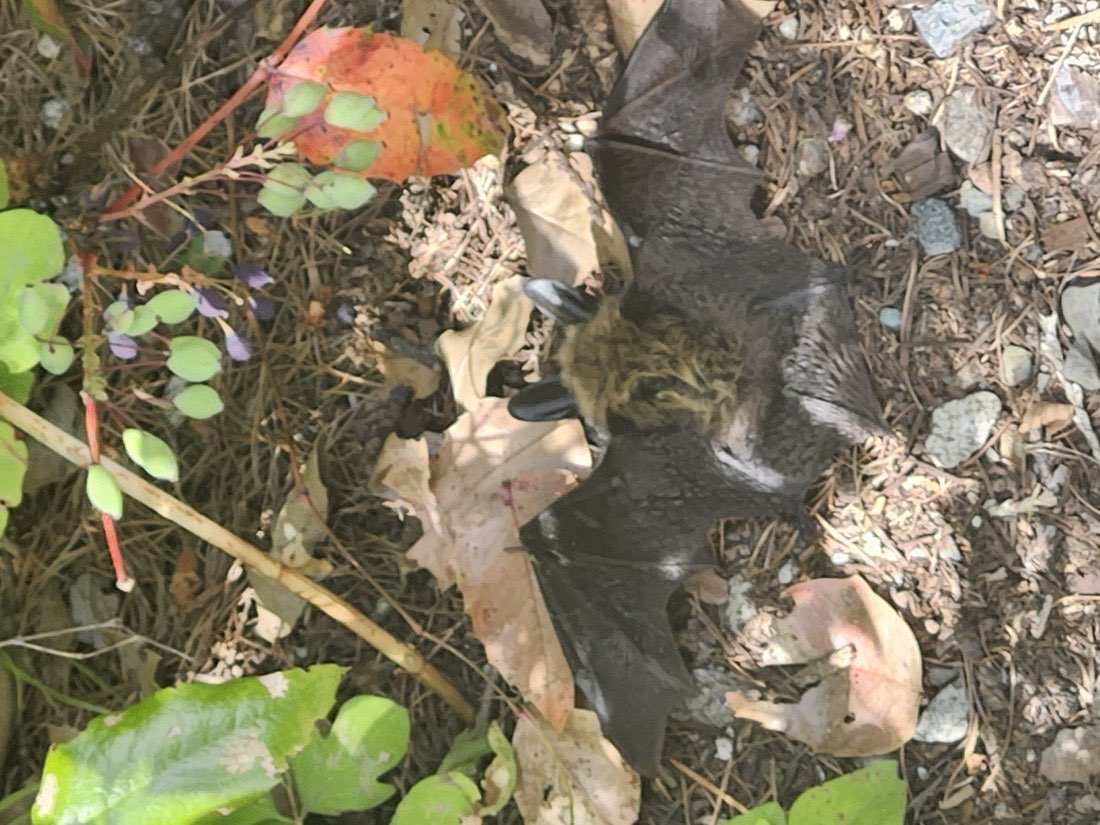
Most BC bats can’t take off from the ground, they rely on gravity, dropping from a height into flight. A grounded bat may be dehydrated, sick, or injured, a juvenile that fell from its roost, or one that was dodging a predator.
Keep children and pets well back, and never handle a bat with bare hands. If it must be moved, wear thick leather gloves and use an implement, or the cupping method: place a container over the bat and slide a stiff lid underneath.
Take a photo to send your Community Bat Program coordinator and report it. While you wait, work out which of these matches.
Blood, or a wing that looks broken? Go straight to Injured or dead bat.
It may just be in torpor (deep sleep). Give it a minute, gently touch it with a stick, and try turning it over. Still no breathing or movement? See Injured or dead bat.
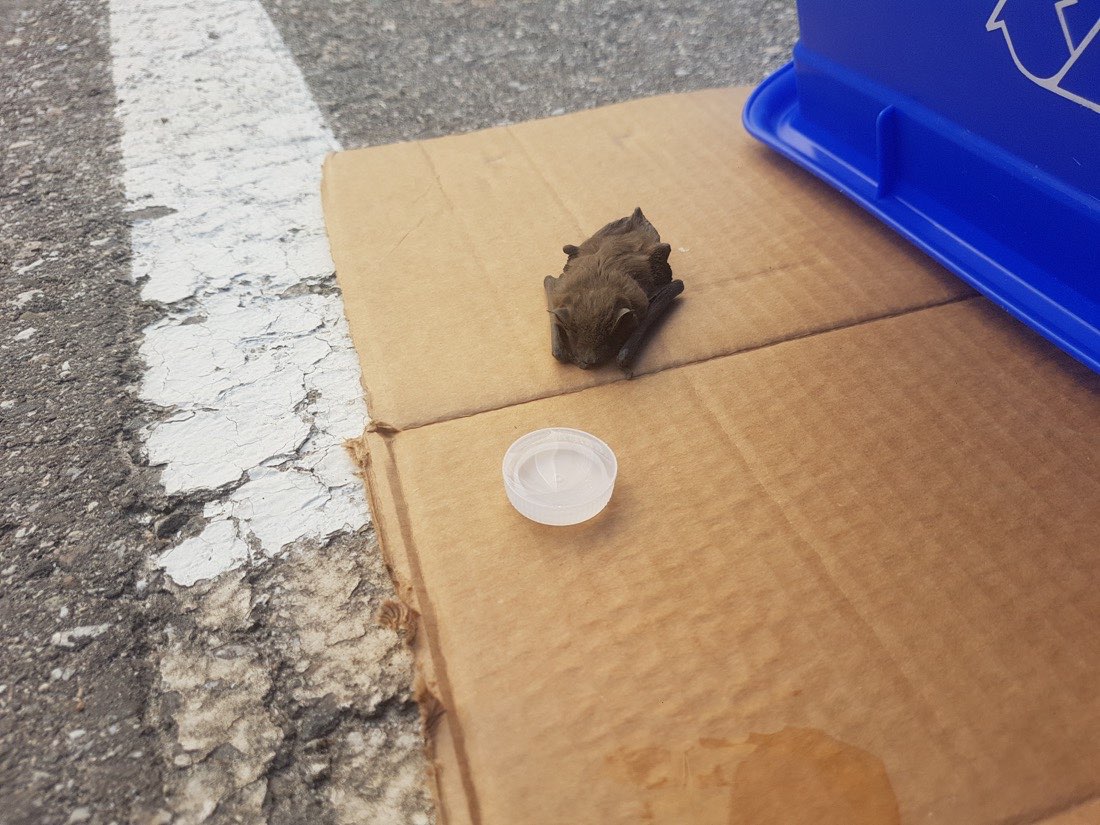
Alive but limp in a hot, sunny spot? Call a wildlife rehabilitator if there’s one nearby. Otherwise box it with water in a shallow lid, keep it shaded, and release it onto a tree at dusk, or move it up higher into shade using the cupping method.
It may just need height. Slide a 3-foot stick under its back feet, let it grip, then lift it slowly onto a tree or fence at head height so it can drop into flight.
Single, healthy bats often rest on outside walls, fences, screen doors, and garden trellises, especially in spring, late summer, and fall. These are usually males or migrating bats taking a daytime break, sometimes dropping into torpor for a few days before moving on.
If the bat is smaller than 1.5 inches (3.8 cm), it may be a pup. Females have one pup a year, born in June and flying by July, and pups sometimes fall from the roost or lose their way while learning.
Is it injured? If you can see blood or a broken limb, go to Injured or dead bat. Roosting down low where children or pets can reach it? It’s safer to move it, contact us or follow the steps for moving a bat.
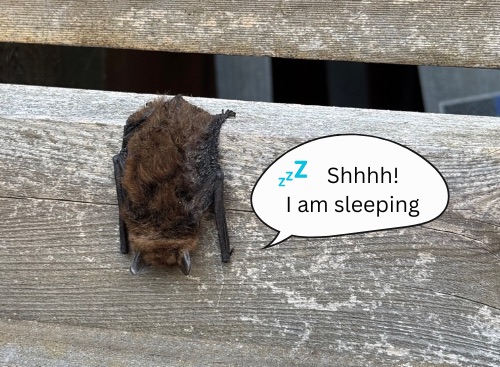
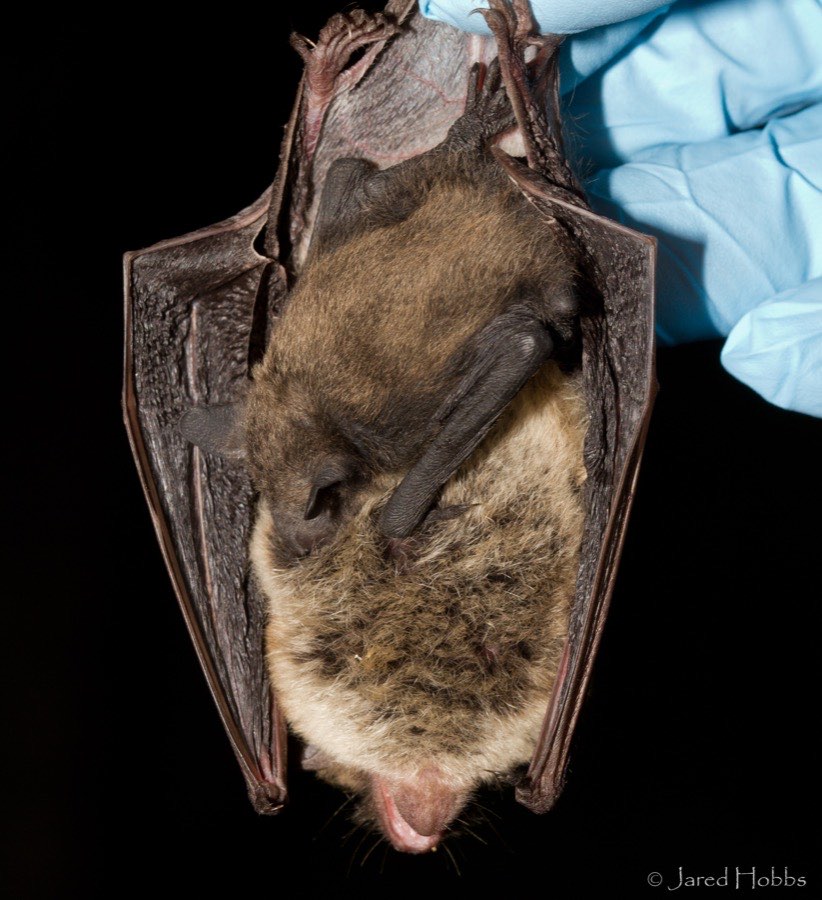
Bats turn up in the most unexpected places, patio umbrellas, awnings, garden pots, sailboat sails, woodpiles, and more. If you spot one somewhere curious, leave it be and tell us.
Photo: Simon Grant
A Pallid Bat tucked against an entryway wall.
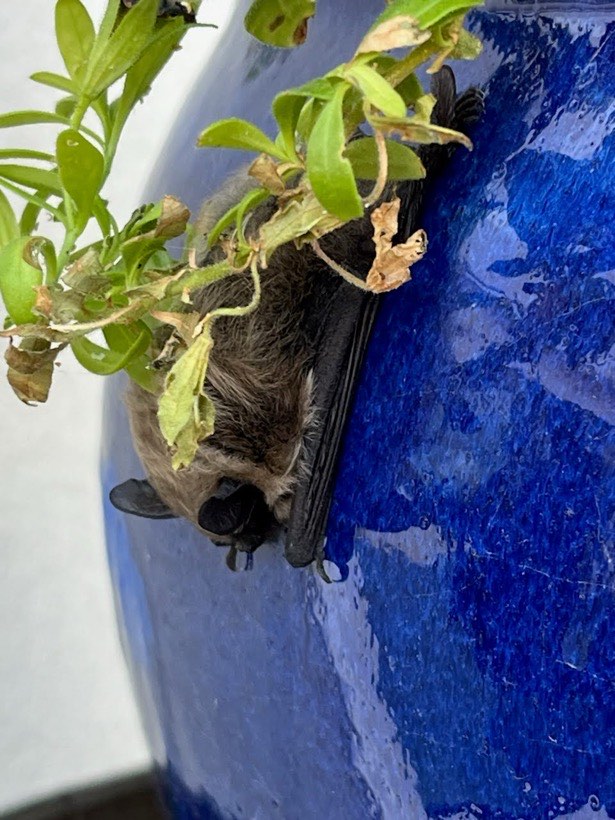
Photo: BC Community Bat Program
A Myotis sheltering in the leaves of a garden pot.
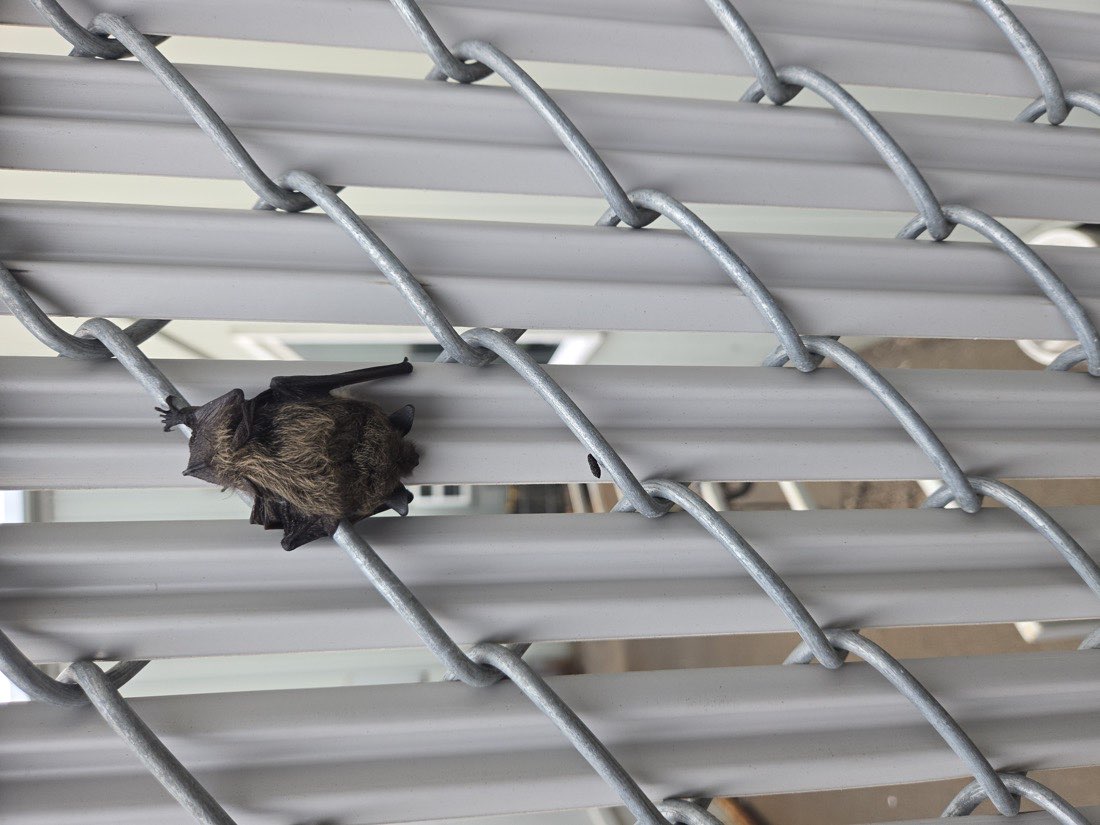
Photo: T. Dumont
A bat resting in the rails of a fence.
The best thing is usually to leave the bat alone, unless it’s injured and needs help, or it’s somewhere children or pets can reach and needs moving.
Found a bat in an awning or blind? Take care not to squish it, and if it’s a group of bats, that’s a colony. In winter, you may turn up a Silver-haired Bat overwintering in your woodpile: just set the piece of wood back and take your firewood from another part of the pile for a month or so until it moves on.
Every report helps us monitor where bats are and how they’re doing. Got a photo? Even better, send it along with your sighting.