
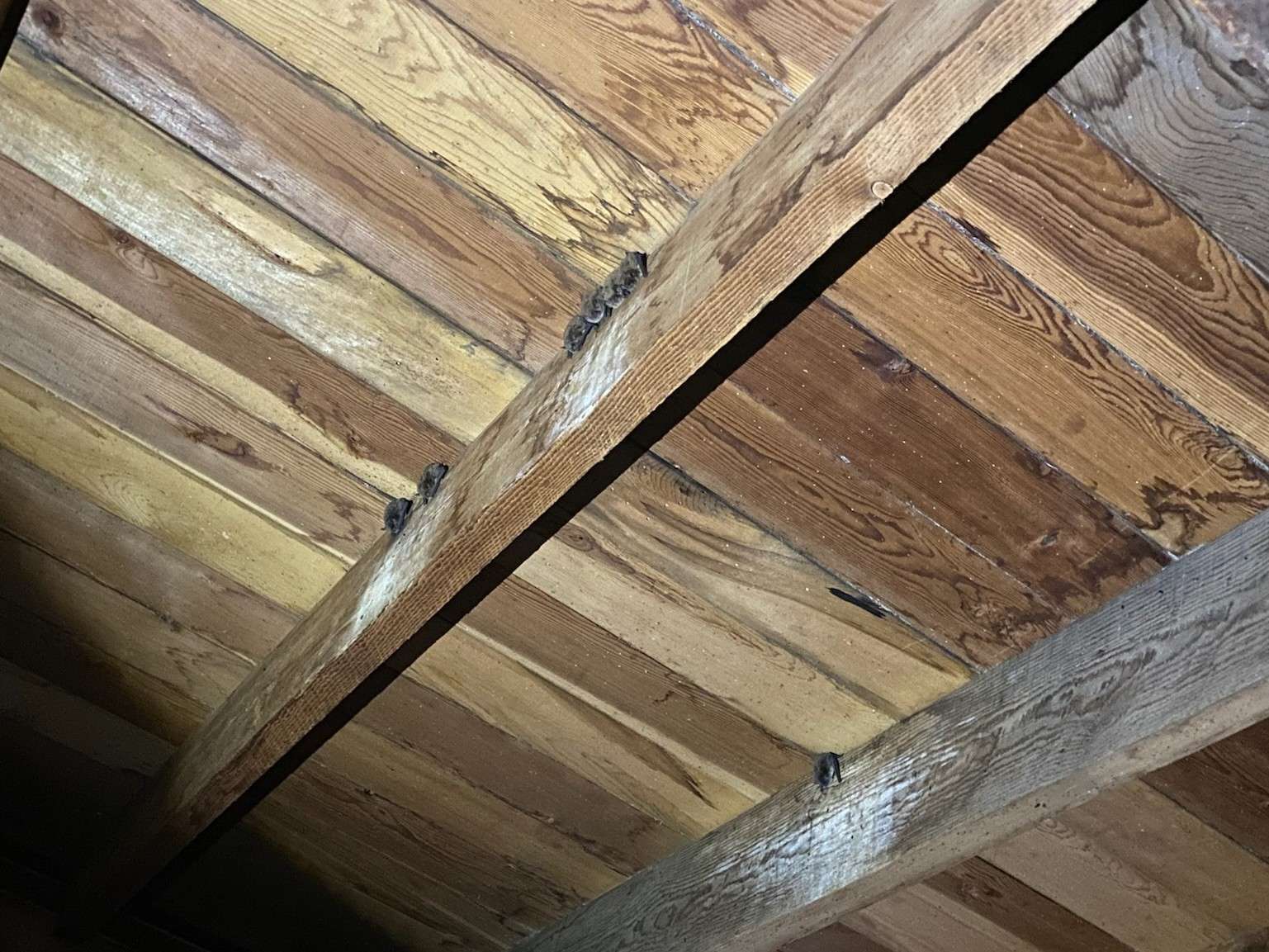
Many bats live in close association with human communities, and a few species, such as the Little Brown Myotis, rely extensively on human-made structures as sites for roosting and raising their offspring. A Bat-Friendly Community works to keep that habitat intact and to help neighbours understand and value the bats around them.
Certification rests on three simple commitments. Communities that meet them earn Bat-Friendly Community status and join a growing network across the province.
Bats need habitat, not just boxes.
Bats need three basic things to survive: food, shelter, and water. Well-managed habitats in urban, rural, and wild areas can provide these key elements, which is why bat-friendly work reaches well beyond a single roost.
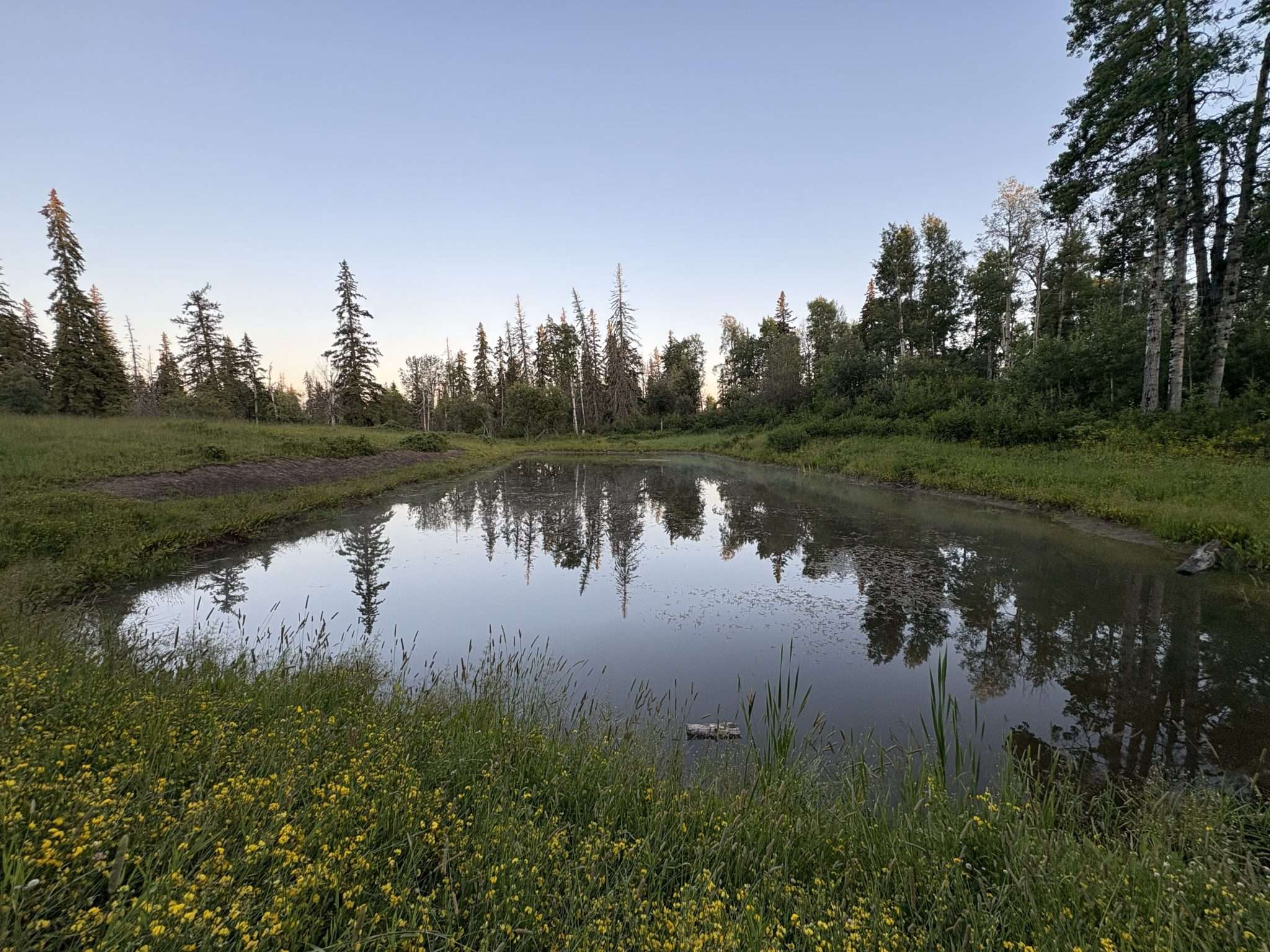
Bats use a wide variety of habitats when hunting for their insect prey, including wetlands, forests, shrubs, and grasslands. The more variety, the better. Planting native trees and shrubs in your yard and community helps support the insects that bats depend on.
What a bat-friendly place offers
- Native trees, shrubs, and flowering plants that feed insects, see Create habitat.
- Clean water and wetlands where bats can drink and forage.
- Safe roosting sites, including natural spaces and well-placed bat boxes.
- Protection for the buildings and structures some species already call home.
Not sure what already lives near you? Joining the annual bat count is a great way to find out.
Three commitments, one designation.
A community earns Bat-Friendly status by taking meaningful action across three areas. Here’s what each one looks like in practice.
Protect & create habitat
Keep existing roosts and foraging areas safe, and enhance them with native plants, water, and roosting sites, in parks, along waterways, and in private yards alike.
Provide information about bats
Make friendly, accurate information easy to find, so residents know what to do if they find a bat, and how to welcome bats safely into their neighbourhood.
Promote learning
Host bat walks, talks, or school activities, put up interpretive signage, and give people reasons to be curious about the bats living close to home.
Getting started
Any municipality, First Nation, or community organization can take part. The best first step is a conversation: your regional bat program coordinator can walk you through the criteria, share templates and guidance, and help you plan actions that fit your community.
Working within a local government? Our page For municipalities gathers the tools and policy ideas most useful to staff and councils, and the Resources library has handouts, gardening guides, and the full certification criteria.
Certified communities.
These communities have earned Bat-Friendly Community status, each one a place working to keep BC’s bats part of the neighbourhood.
- Dawson CreekCertified 2016/17
- PeachlandCertified 2019
- RichmondCertified 2020
- DeltaCertified 2021
- Port MoodyCertified 2022
- ComoxCertified 2023
- City of LangleyCertified 2024
- City of PentictonCertified 2025
- Township of LangleyCertified 2026
- Christina LakeCertified 2026
Could your town be next? We’d love to help you join the list.