
To survive, bats need food, water, and shelter, and they’ll travel to find all three. A Townsend’s Big-eared Bat may move up to 4 km between its roost and foraging grounds, while faster fliers like silver-haired and hoary bats can cover 20 km or more in a single night. When green spaces are connected across the landscape, bats and other wildlife can move safely between the places they rest and the places they feed.
Feed the insects, and you feed the bats.
Bat food in Canada consists of insects, and insects need plants. A garden or field rich in native, diverse plantings supports a wide community of invertebrates for bats to hunt.
Aim for plant species diversity. A mix of native trees, shrubs, and flowers gives good cover and supports a varied insect community, far more useful to bats than a tidy, single-species lawn.
- Choose native plants suited to your region and soil.
- Layer the planting, groundcover, shrubs, and trees together.
- Keep some untidy corners; leaf litter and long grass shelter insects.
Gardening volunteers in the Kootenays have compiled a bat-friendly garden species list. Ask your regional coordinator or browse our resources for a copy.
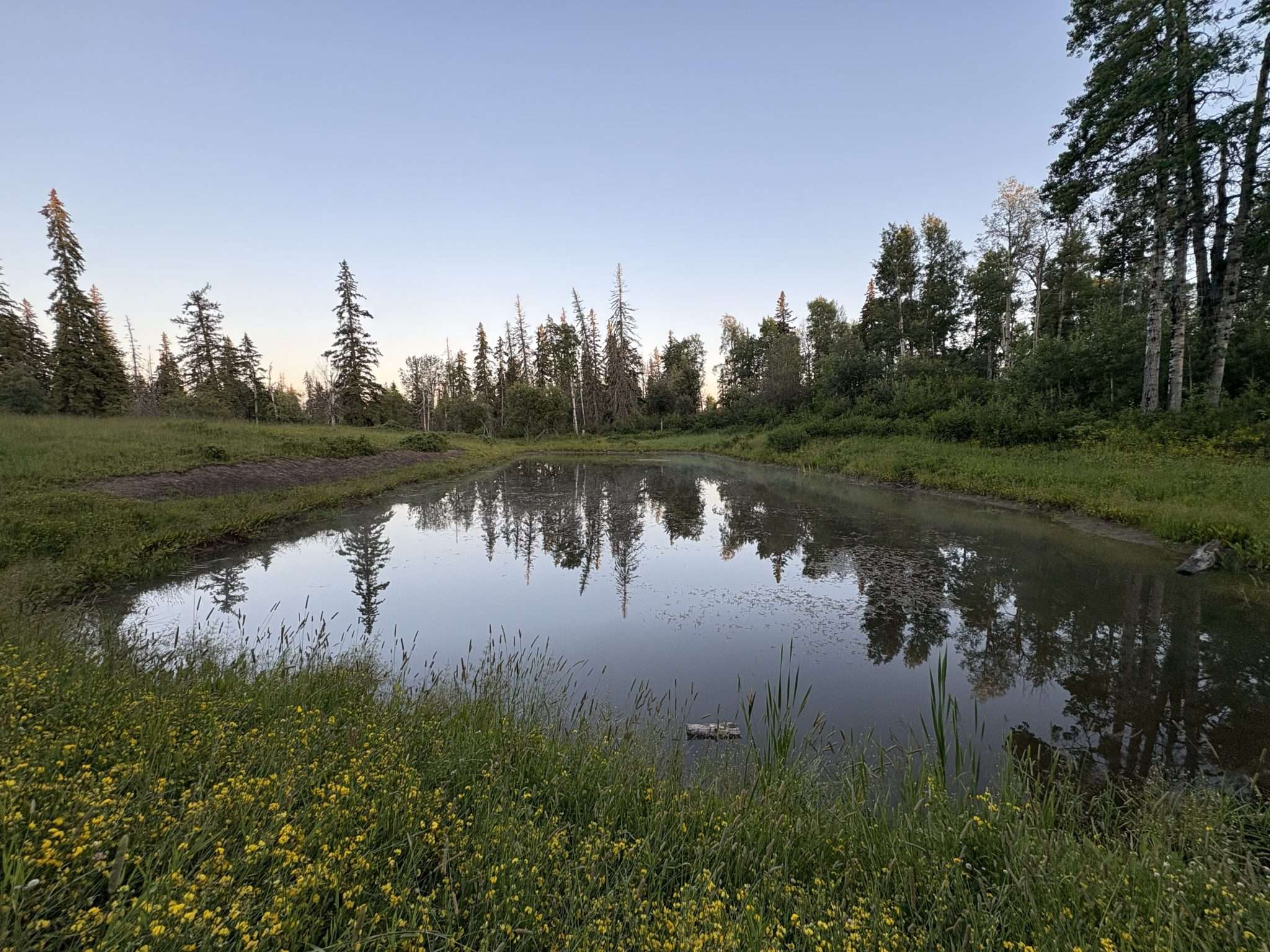
Bats drink and forage over water.
Bats use aquatic features such as wetlands, ponds, channels, and rivers for both drinking and foraging. Healthy water means healthy aquatic invertebrates, and more food on the wing.
Maintaining water quality matters as much as the water itself. Clean, aquatic-invertebrate-rich water feeds the insect life bats depend on.
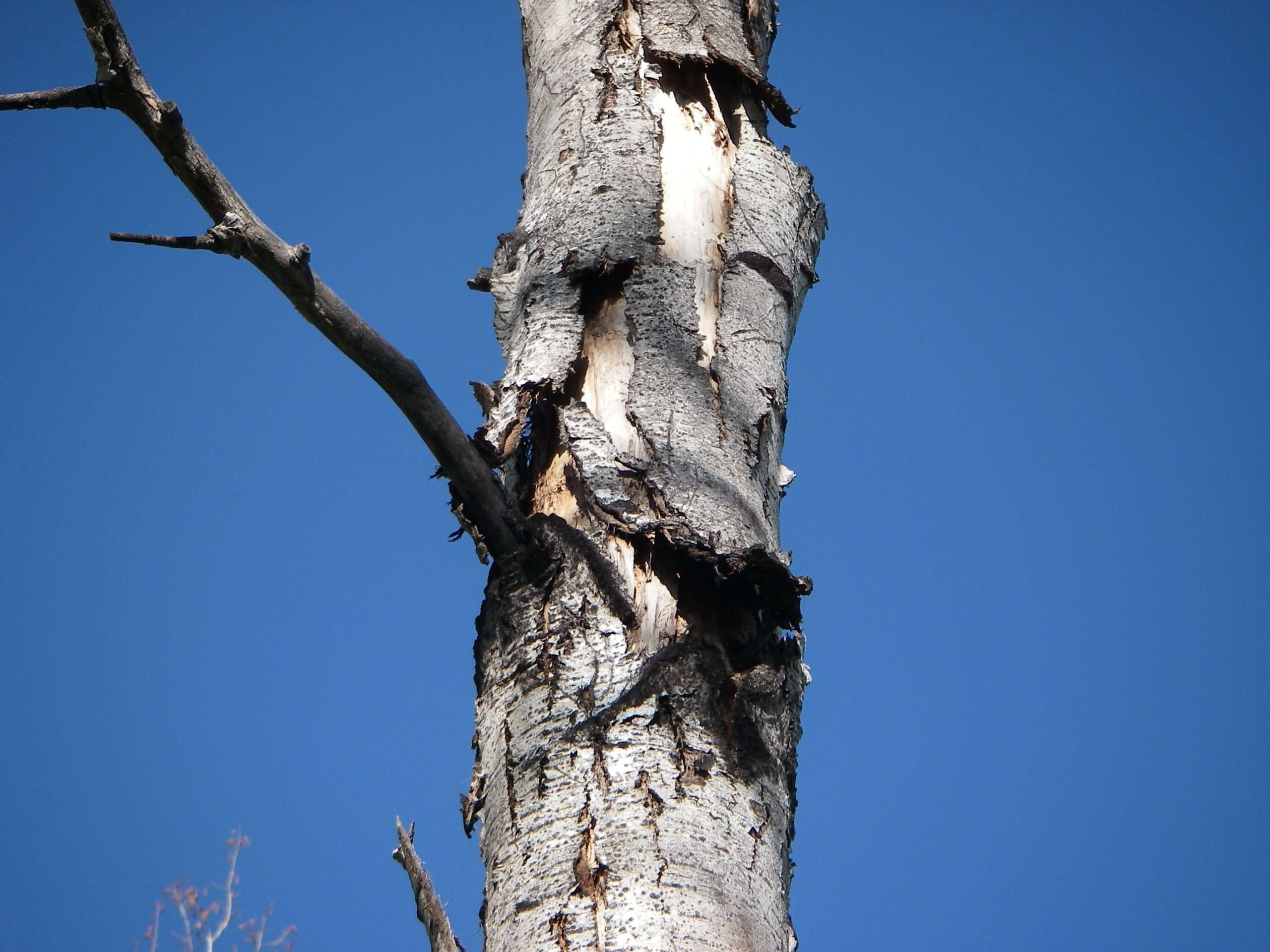
Roosts, trees & crevices, leave them standing.
Deciduous trees matter to bats twice over: as roost sites, and for the insect prey they produce. The best natural shelter is often the messiest, old, dead, cracked, and fissured.
Standing snags
Tall, old, dead, large-diameter trees with peeling bark, cracks, and crevices are prime roosts. Leave them standing wherever it’s safe to do so.
Deciduous trees
Broad-leaved trees give bats places to roost and boost the invertebrate prey they hunt. Keep a mix of ages and species.
Riparian corridors
Keep continuous lines of forest or high shrubbery along streams and rivers. These leafy corridors guide bats between roosting and foraging areas.
Rock faces & outcrops
Rock faces, outcrops, and tall rock walls make excellent habitat, especially when they’re fractured and full of small crevices.
Where natural roosts are scarce, a well-placed bat box can add shelter. See bat boxes for how to choose, site, and mount one.
Link the pieces together.
Food, water, and shelter do the most good when they’re joined up. Connecting green spaces across the landscape, between the places bats roost and the places they feed, benefits bats and other wildlife alike.
Every hedgerow, treed fenceline, and streamside strip is a stepping stone. Kept together, they let bats travel the kilometres between roost and foraging ground without crossing open, exposed ground.