
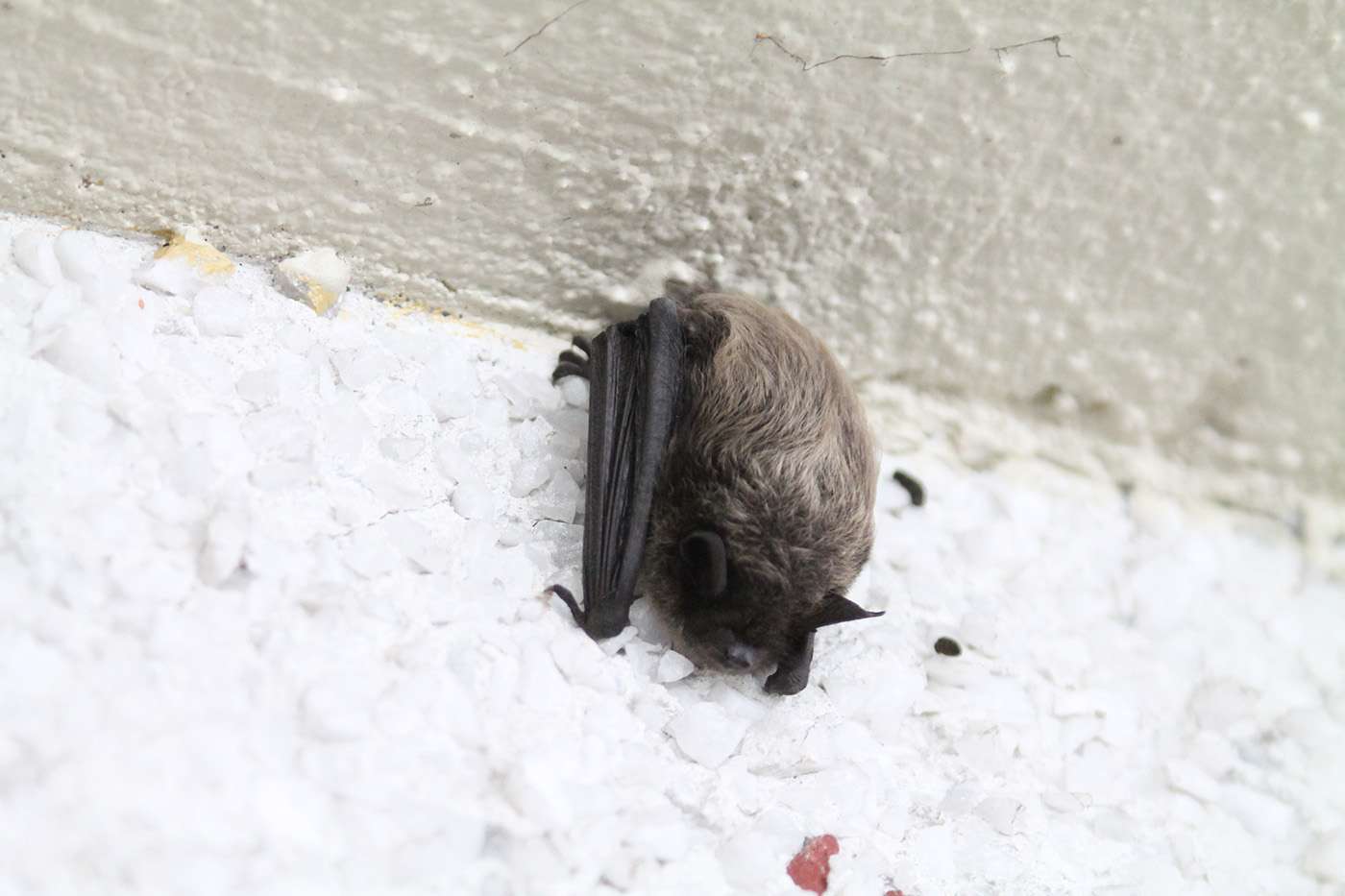
The BC Community Bat Programs are encouraging residents to celebrate Bat Appreciation Day on April 17, 2025. It’s a great day to learn about bats and how amazing and important they are.
BC has the highest diversity of bats in Canada, with at least 15 different species. “Bats are the only mammals capable of true flight. Some can arguably fly better than birds,” says Paula Rodriguez de la Vega, provincial coordinator.
“Bats are starting to become active again, after their winter hibernation. Keep an eye out for them in the evenings after sunset,” says Rodriguez de la Vega. “Two BC bat species migrate and are now returning from down south, while the rest of the species are waking up after their long hibernation period, mostly in caves, mines, or deep in rock crevices.”
Bats face many challenges and many species are listed as being at risk. One looming threat is white-nose syndrome, a disease that has killed millions of bats in eastern North America. It does not affect people or pets. It’s caused by a fungus that attacks bats while they are hibernating, growing on their faces to give an appearance of a white nose. “People can help us monitor for white-nose syndrome by reporting any dead bats found before May 31st,” says Rodriguez de la Vega. Report them online at /got-bats/report-your-bats/ or call 1-855-9BC-BATS.
All live bats should be left alone — keep your distance, snap a photo and report it to the BC Community Bat Programs.
The bats of BC are key predators of many night-flying insects. They are essential parts of BC’s ecosystems and provide a huge economic benefit by helping control agricultural, forest, and urban pests. “Bats use their tiny sharp teeth to crush the hard exoskeletons of beetles, moths, and other insects. They don’t chew on wood like rodents do,” says Rodriguez de la Vega.
Bats are not rodents. They don’t build nests. Instead they hang upside down from their feet in a sheltered area called a roost. “In summer, they like to roost in huge old trees, dead or dying trees, rock cliffs, rock outcrops, talus slopes. Some species roost in buildings like old barns or in attics,” says Rodriguez de la Vega. “Bat boxes are used mostly by only two species, the Little Brown Myotis and Yuma Myotis.”
The BC Community Bat Programs would like to encourage residents to browse our website or visit your local library to learn more about these unique and important creatures of the night. “Visit your local library, some now carry BatPacks that have bat detectors, so you can listen for bats outside at dusk,” says Rodriguez de la Vega. Or download these bat activity sheets (BC-Bats-Activity-Booklet.pdf) and NatureKids BC Bat ID cards (bcbats.ca/attachments/Bat-ID-cards.pdf).
In partnership with the BC Ministry of Water, Land and Resource Stewardship, the BC Community Bat Programs provide information and promote local stewardship and citizen science. The programs are supported by funding from the Habitat Conservation Trust Foundation, BC Conservation Foundation, the Province of BC, and many regional partners. You can find out more about the BC Community Bat Programs and options for helping local bat populations at /regions/, bcbats@gmail.com, or 1-855-922-2287. Check out the section on Bat Appreciation Day.