From the urgent (you’ve been touched or bitten) to the everyday (a bat in your house), fast guidance for every kind of encounter.
Bats roost in attics, awnings, barns, sometimes for decades. Here’s how to coexist safely, manage a colony, or report one on a property you’re buying or selling.
Bat biology, BC’s 15 species, real-world safety, white-nose syndrome, and the conservation science that shapes our work.
See all in About bats →Summer evening bat counts, acoustic surveillance, ambassador training, Bat-Friendly Community certification, bat boxes. The province-wide network runs on people.
See all in Help bats →Guides, downloads, and outreach materials tailored to who you are, a homeowner, a teacher, a kid, an industry partner.
See all in Resources →Reach a regional coordinator, get in touch with us, browse the latest, or meet the partners and funders behind the work.
Support our work DonateIf you’ve found several bats roosting together in your house, barn, or on your property, you may have a bat colony. Here’s how to coexist safely, and where to turn when a colony needs to be managed.
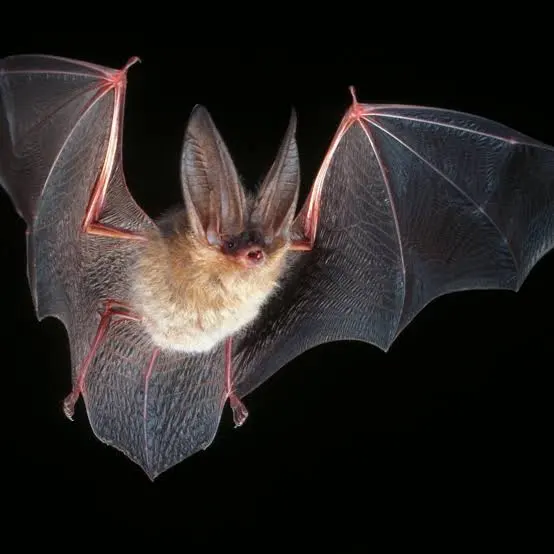
Bats roosting together, the sign of a colony.
Photo: placeholder, Townsend’s Long-eared Bat colony, A. Mitchell
Found two or more bats roosting together on or inside a building? That may be a sign of an important maternity colony. We provide guidance and support for homeowners on how to coexist safely with bats or, when necessary, exclude a colony from a building using approved, humane protocols. Explore the pages below to find out what you can do.
Just one bat indoors? A lone bat that has strayed into your living space usually needs nothing more than a safe way back out, that’s different from managing a colony. For a single stray bat, or if you’re unsure what you’re dealing with, your regional coordinator can help.
Coexisting with bats in a building is encouraged, but it is not okay to have bats in your living space. If bats are getting inside, take steps to seal the interior so they can’t reach the rooms you use.
Unlike rodents, bats do not build nests, and they do not chew or claw their way into a structure. Instead they take advantage of small structural openings or areas of disrepair on the outside of a building. So if bats are getting inside your house, immediate steps are needed to seal the interior of your home, so bats don’t come into your living space.
Use a bright flashlight to survey the interior. Here’s what to look for:
It’s very important to work out how the bats are getting into your living space. Please contact your regional coordinator for assistance.
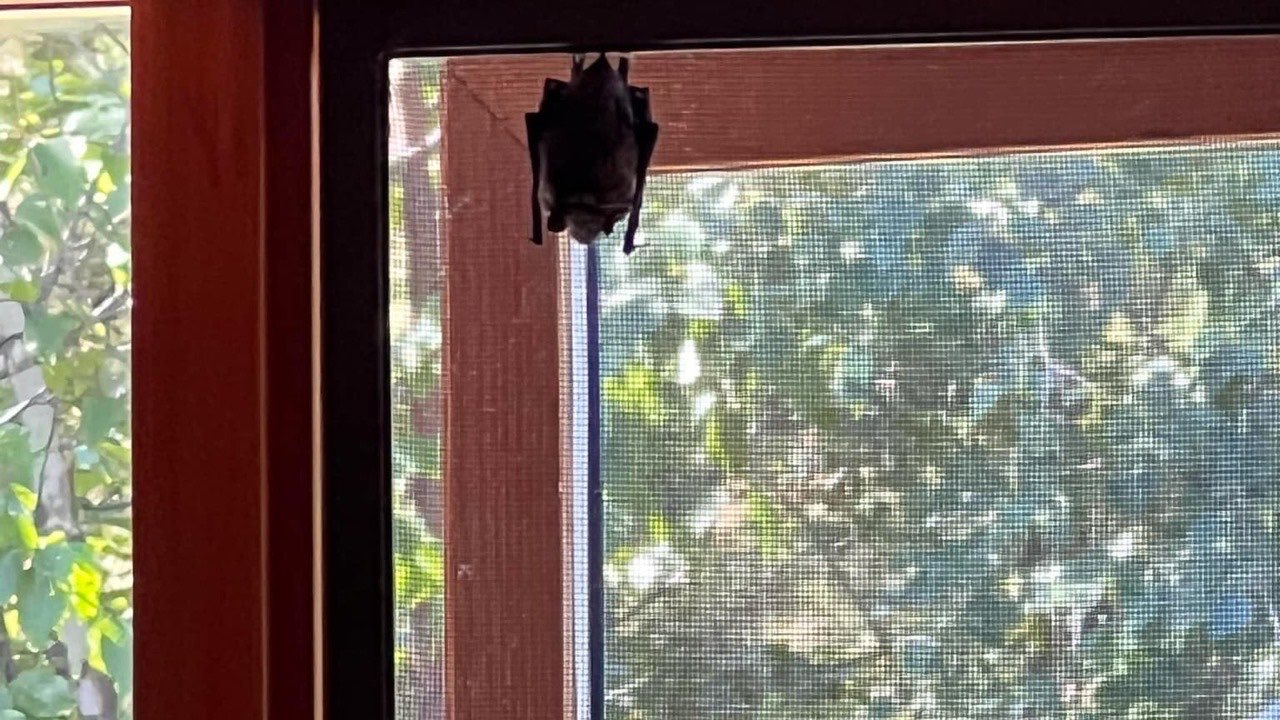
These guides walk homeowners, property managers, and industry professionals through living with, and safely managing, bat colonies in buildings.
Sharing a bat colony with us helps track and protect BC’s bats, and connects you with local, practical support.
Not necessarily — many people coexist with a small colony, and BC's bats are protected. If they must go, the only safe method is a one-way exclusion done at the right time of year, never while flightless pups are present.
Only in spring before pups are born, or in late summer and fall once pups can fly — roughly before mid-June or after mid-August in most of BC. Excluding during the June–August maternity season traps and kills flightless pups.
Bats don't chew wires or wood; the main issue is accumulated droppings (guano). Clean small amounts with care and ventilation. A free biologist visit through your regional program can assess your specific situation.
Yes — your regional BC Community Bat Program coordinator can advise on living with the colony, safe exclusion timing, and reputable help, often including a free site visit.