
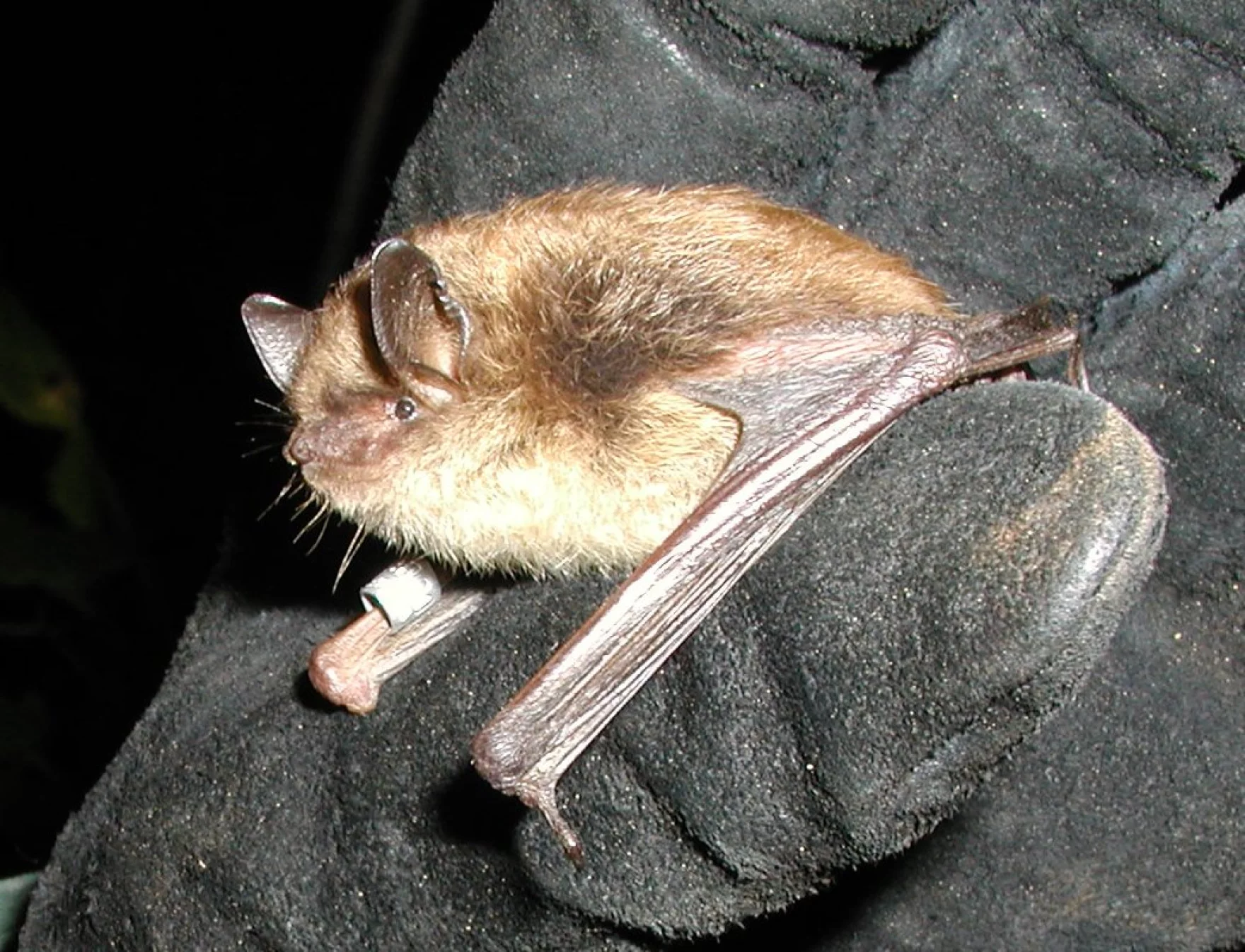
Little Brown Myotis, Myotis lucifugus
Photo: Vermont Fish & Wildlife
Little Brown Myotis
Myotis lucifugus
Forearm33–40 mm
RoostBuildings, trees
RangeThroughout BC
Call40 kHz
From the urgent (you’ve been touched or bitten) to the everyday (a bat in your house), fast guidance for every kind of encounter.
Found a bat →Bats roost in attics, awnings, barns, sometimes for decades. Here’s how to coexist safely, manage a colony, or report one on a property you’re buying or selling.
See all in Got bats? →Bat biology, BC’s 15 species, real-world safety, white-nose syndrome, and the conservation science that shapes our work.
See all in About bats →Summer evening bat counts, acoustic surveillance, ambassador training, Bat-Friendly Community certification, bat boxes. The province-wide network runs on people.
See all in Help bats →Guides, downloads, and outreach materials tailored to who you are, a homeowner, a teacher, a kid, an industry partner.
See all in Resources →Reach a regional coordinator, get in touch with us, browse the latest, or meet the partners and funders behind the work.
See all in Connect → Support our work DonateServing Metro Vancouver, the Sea-to-Sky corridor, and the Howe Sound Gulf Islands, from West Vancouver to Pemberton.
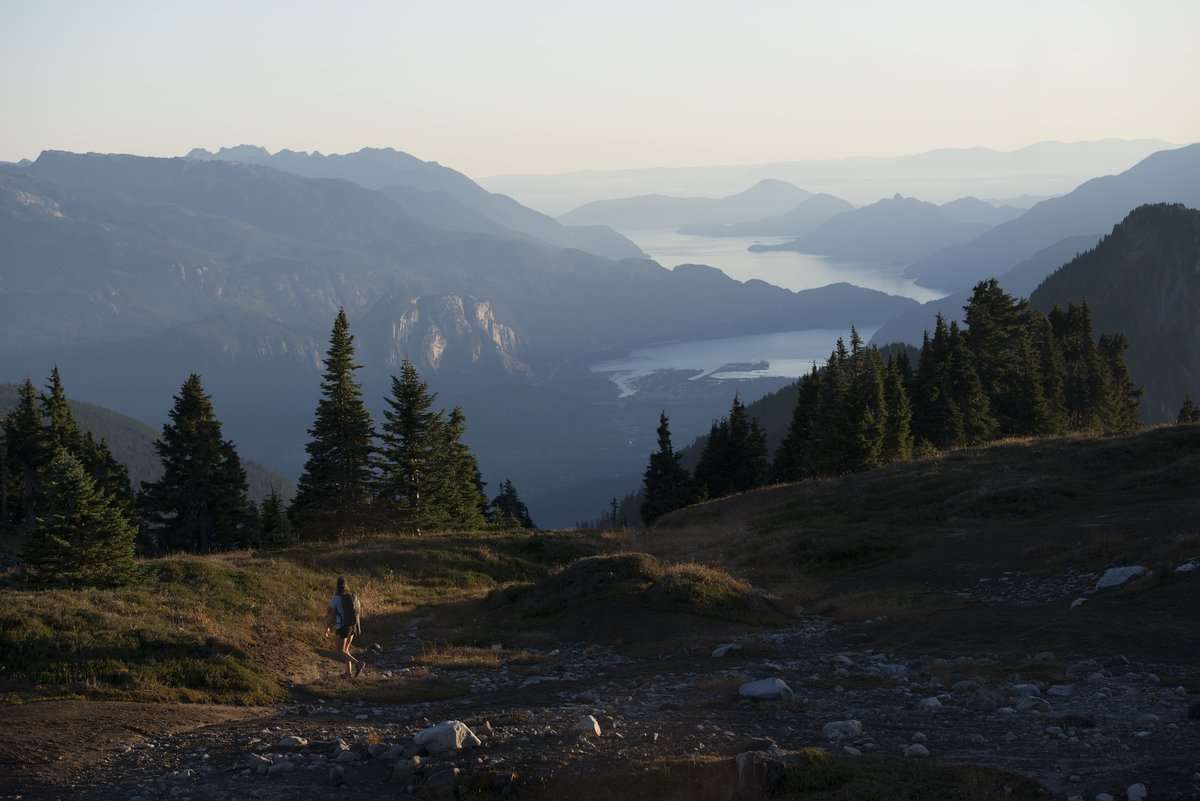
The Metro Vancouver & Sea to Sky program serves the Metro Vancouver Regional District (West Vancouver to Langley Township and Maple Ridge); the Sea-to-Sky Highway from West Vancouver to the Pemberton area, including communities along Birkenhead Lake and the In-SHUCK-ch Forest Service Road to Port Douglas; and the Howe Sound Gulf Islands of Bowen, Pasley, Bowyer, Anvil, and Gambier.
An estimated 10 of BC’s 15 species occur here. Swipe through the field guide, tap the on a photo for credits.
Little Brown Myotis, Myotis lucifugus
Photo: Vermont Fish & Wildlife
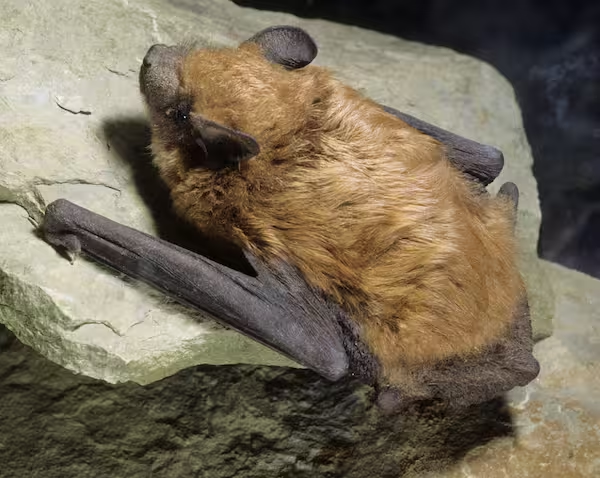
Big Brown Bat, Eptesicus fuscus
Photo: John MacGregor, Land Between the Lakes KY/TN · Public domain
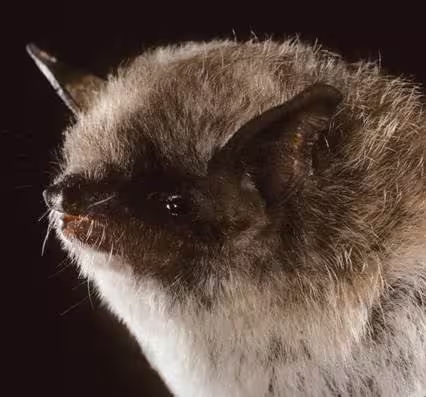
Yuma Myotis, Myotis yumanensis
Image © Merlin D. Tuttle, Bat Conservation International, www.batcon.org
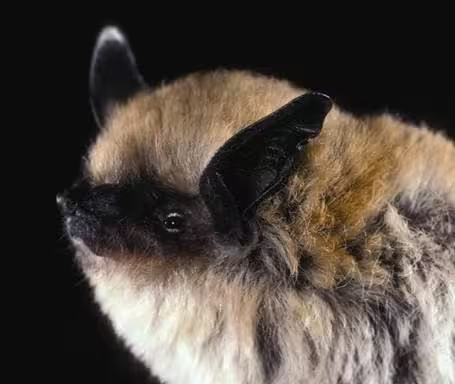
California Myotis, Myotis californicus
Image © Merlin D. Tuttle, Bat Conservation International, www.batcon.org
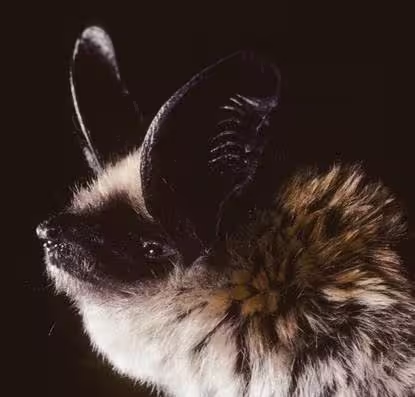
Long-eared Myotis, Myotis evotis
Image © Merlin D. Tuttle, Bat Conservation International, www.batcon.org
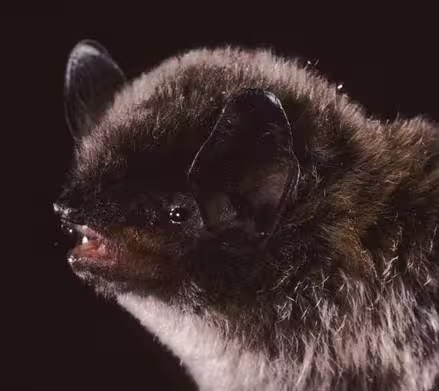
Long-legged Myotis, Myotis volans
Image © Merlin D. Tuttle, Bat Conservation International, www.batcon.org
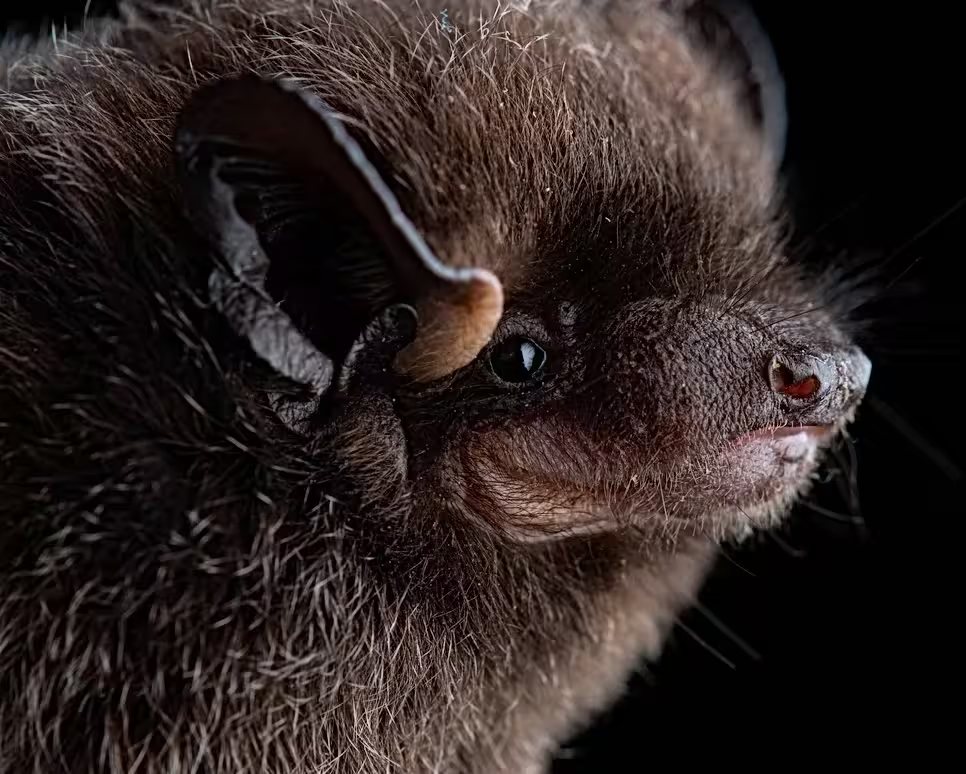
Silver-haired Bat, Lasionycteris noctivagans
Photo: Jose Martinez-Fonseca, NAU
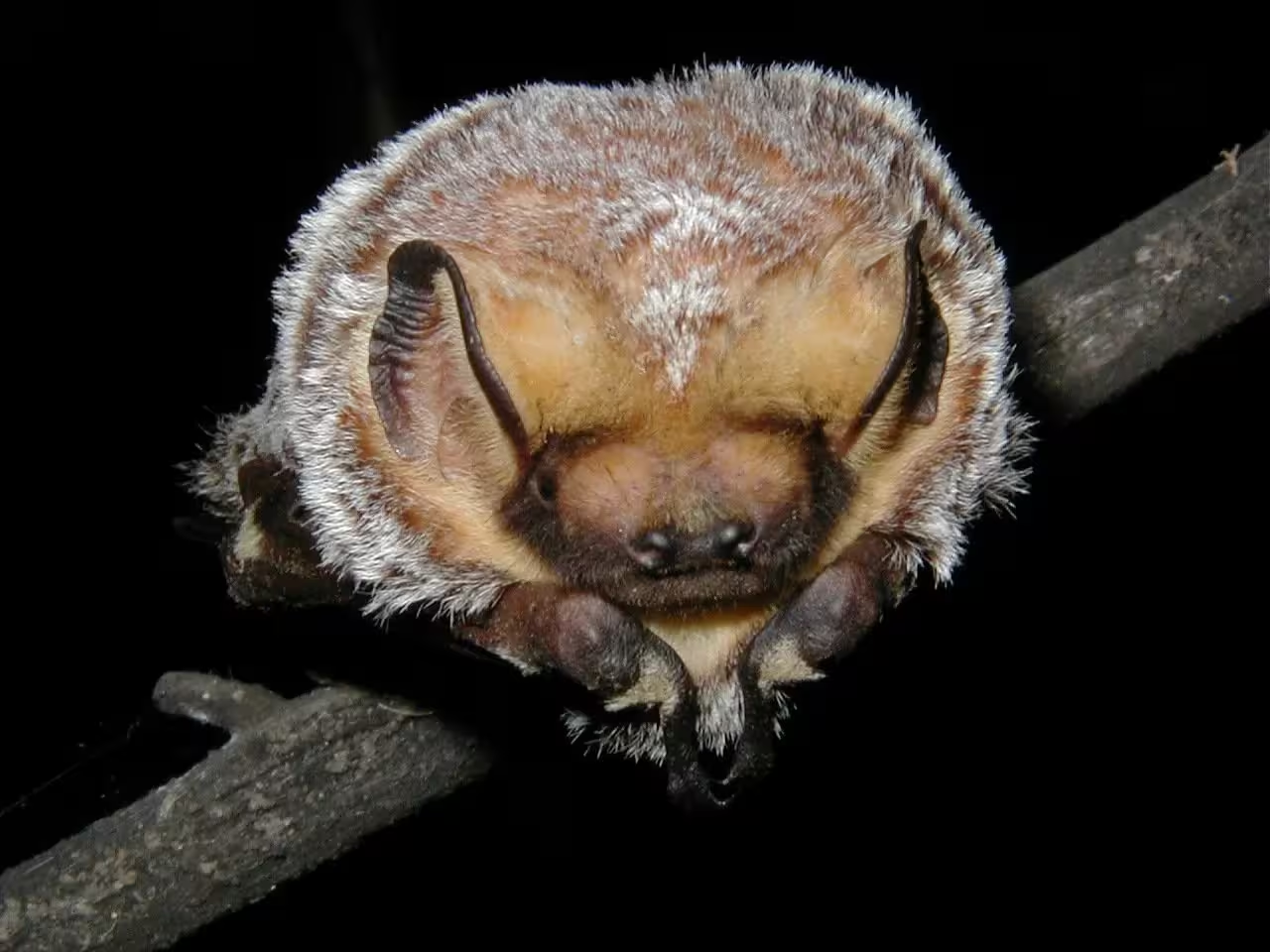
Hoary Bat, Lasiurus cinereus
Photo: Paul Cryan
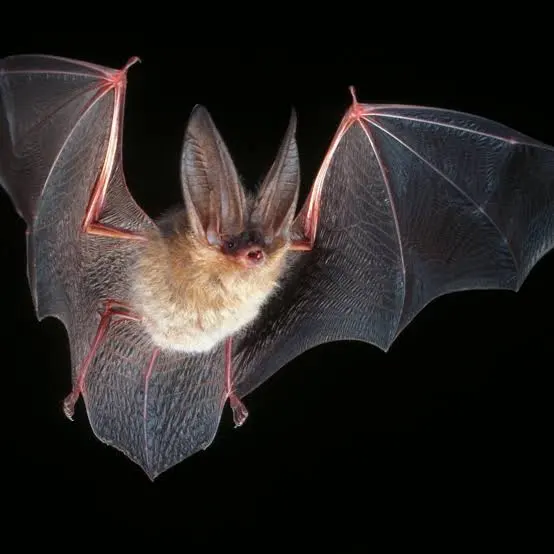
Townsend's Big-eared Bat, Corynorhinus townsendii
Photo: J. Scott Altenbach
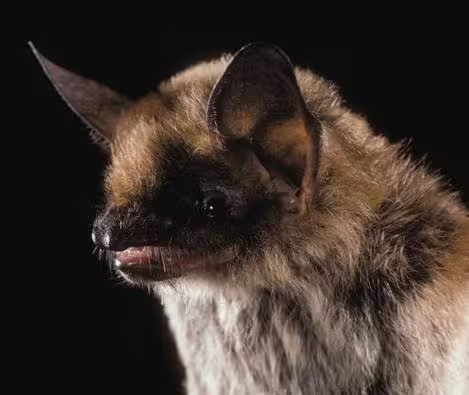
Fringed Myotis, Myotis thysanodes
Image © Merlin D. Tuttle, Bat Conservation International, www.batcon.org
Species ranges are approximate. See the full field guide to BC’s bats →
Whether you’ve found a bat, have a colony in a building, or want to join the Annual Bat Count, your local program can help.